Advanced Night Repair is a well-made, light hydrating serum without synthetic fragrance or drying alcohol, with a ferment, a peptide and hyaluronic acid near the top of its label, and we would buy it if you want a comfortable first step for morning and night and can get the 50 ml bottle on offer or the 115 ml at $2.24 a millilitre; we would not buy the 30 ml bottle at all, and we would not buy any size for its repair, sleep and epigenetics claims, which rest on Estée Lauder's own short tests and laboratory work.
- Ulta charges $135 for 50 ml, or $2.70 a millilitre, and only the 115 ml bottle, at $258 or $2.24 a millilitre, brings the price down meaningfully.
- The 43-ingredient label puts bifida ferment lysate second, tripeptide-32 eleventh and sodium hyaluronate twelfth, and ends with two dyes, Red 4 and Yellow 5.
- The 2020 rewrite dropped a sunscreen filter, added baobab seed extract and moved the peptide from 13th to 11th and the hyaluronic acid from 19th to 12th.
- Of four famous ferment-led serums, it is the only one with no fragrance, essential oils or alcohol, and the only one with dyes.
Buy it if…
- Buy it if you want a serum made without synthetic fragrance or drying alcohol, which is how Estée Lauder describes it and what its label shows.
- Buy it if you want one light serum for morning and night that sits under moisturiser and makeup, which is how Estée Lauder tells you to use it.
- Buy it if you have oily or combination skin and want hydration without grease: Estée Lauder calls the texture oil-free, and Marie Claire's oily-skinned reviewer found no greasy residue.
- Buy it in the 115 ml size or on offer, because the 50 ml bottle costs $2.70 a millilitre at list and the 115 ml costs $2.24.
Skip it if…
- Skip it if you avoid synthetic dyes, because it lists Red 4 and Yellow 5, and nothing on Ulta's listing explains why.
- Skip the 30 ml bottle, which at $88 costs more per millilitre than both the 50 ml bottle and the 7 ml mini.
- Skip it if you want a retinoid or an exfoliant, since neither retinol nor any acid appears among its 43 ingredients.
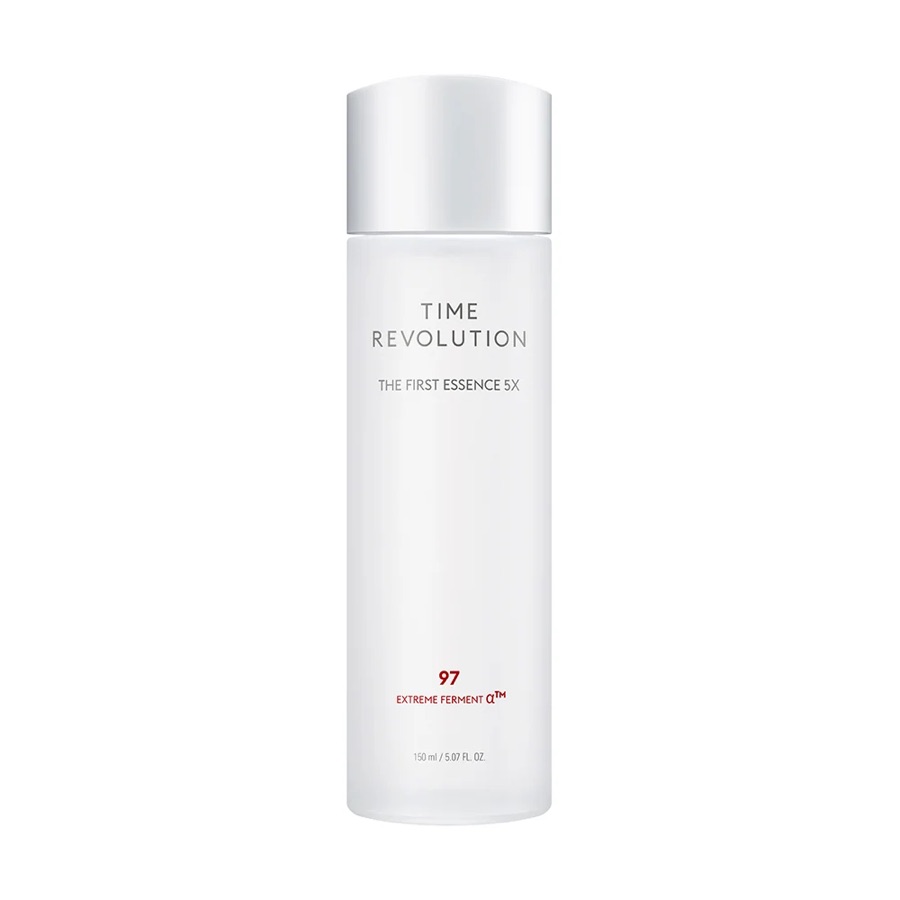
- Skip it if your budget is under $40: Missha's Night Repair Ampoule 5X lists bifida ferment lysate first for $39 for 50 ml.
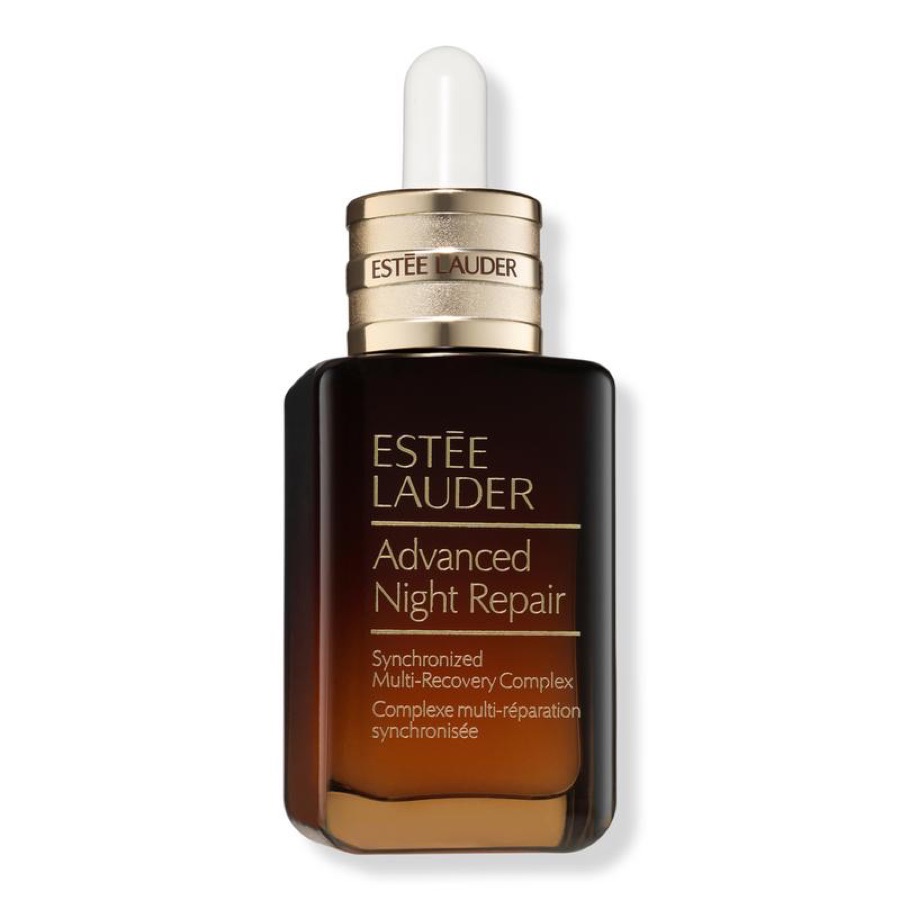
Advanced Night Repair Synchronized Multi-Recovery Complex
- Price$135
- Size50 ml (1.7 fl oz)
- Works out at$2.70 per ml
Ulta, 22 Nov 2026 (Estée Lauder's own US site did not open for us)
See it on ulta.com Ultimune vs Advanced Night Repair →
Image: Estée Lauder, from ulta.com
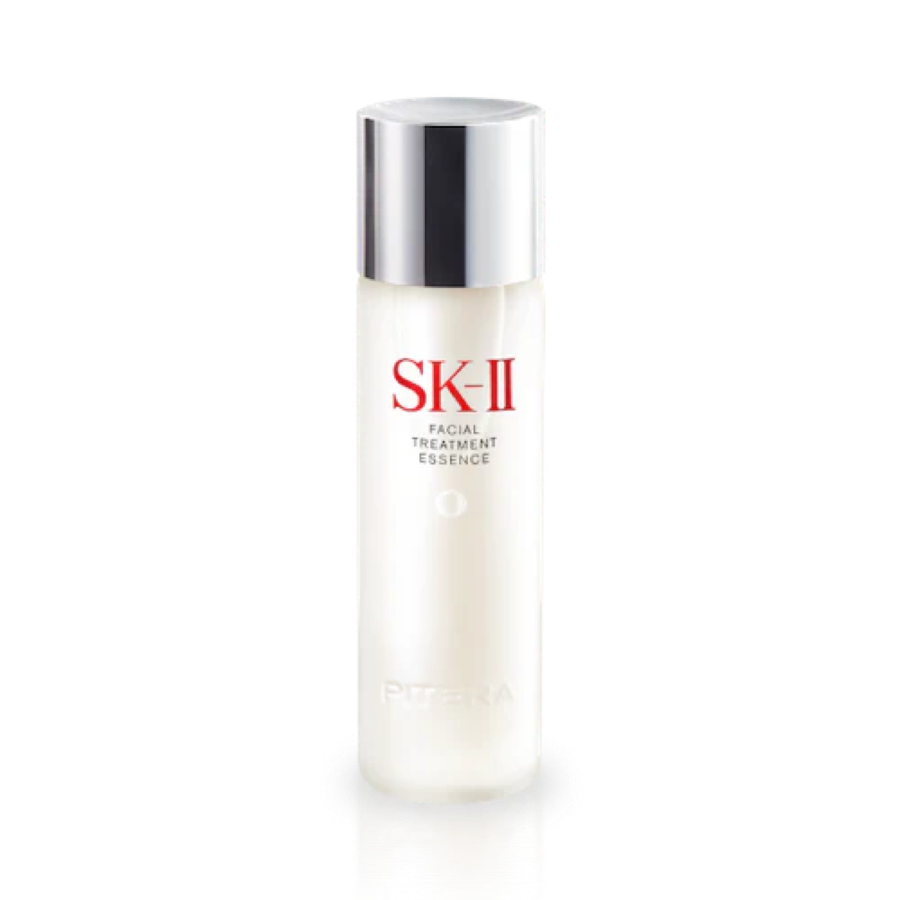
Estée Lauder's company history says that in 1982 Estée Lauder herself learned that night was the best time for skin to repair itself and created Night Repair, which became Advanced Night Repair in 1991, and Estée Lauder has claimed ever since that the original was the first skincare product to use hyaluronic acid. Forty-four years on, the “little brown bottle”, as Marie Claire's Mica Ricketts called it, is one of the best-known products in prestige skincare, Ulta's page alone showed 22,185 reviews of it on 22 November, and the version on sale today is the Synchronized Multi-Recovery Complex of August 2020, only the fourth rewrite in the serum's life.
It is also a product with a reputation to protect at a delicate moment. Estée Lauder's results for the year to June 2026 credited Advanced Night Repair with helping the brand grow again, and a whole family has grown around the serum, from an eye cream to a treatment essence that Ulta's page recommends alongside it. So this review sets aside the legend and asks the plain question: what is in the bottle, what does $135 buy, and is it still worth it?
What it costs, size by size, and how that compares
Estée Lauder's own US site did not open for us, so we priced the serum at Ulta. On 22 November Ulta listed five sizes: $20 for 0.24 ounces (7 ml), $55 for 0.67 ounces (20 ml), $88 for 1 ounce (30 ml), $135 for 1.7 ounces (50 ml) and $258 for 3.9 ounces (115 ml), which works out at $2.86, $2.75, $2.93, $2.70 and $2.24 a millilitre. The odd one out is the 30 ml bottle, which costs more per millilitre than the 7 ml mini and 9% more than the 50 ml, so it is the size to avoid; the 115 ml bottle is the only one that saves real money, 17% a millilitre against the 50 ml.
Against its rivals Advanced Night Repair sits at the top of its class on price. Shiseido's Ultimune costs $125 for 50 ml, or $2.50 a millilitre, and $1.87 in its 75 ml refill; Lancôme's Advanced Génifique costs $220 for 100 ml at Ulta, or $2.20; and Missha's Korean Night Repair Ampoule 5X costs $39 for 50 ml, or 78 cents. Offers soften the blow: on the day we checked, Ulta was giving 5% off subscriptions and selling a 12-piece Estée Lauder holiday set for $90 with select purchases, and Mica Ricketts of Marie Claire, who loved the serum, still opened her verdict on price with a plain “Yes, it's expensive”.
How long a bottle lasts is the one cost figure neither Ulta's page nor the brand's launch material gives. Estée Lauder asks for one dropper on the face and neck morning and evening, so a 50 ml bottle will go faster than a cream used once a day, and the only way to know your real cost is to note the date you open a bottle and divide the price by the days it lasts. Say it lasts you two months: that is $810 a year in 50 ml bottles, or about $673 at the 115 ml bottle's price per millilitre.
What's in it, ingredient by ingredient
The ingredient list on Ulta's page runs to 43 items: water, bifida ferment lysate, PEG-8, propanediol, bis-PEG-18 methyl ether dimethyl silane, methyl gluceth-20, glycereth-26, PEG-75, butylene glycol, baobab (Adansonia digitata) seed extract, tripeptide-32, sodium hyaluronate, yeast extract, Lactobacillus ferment, kola seed extract, chamomile flower extract, hydrolysed algin, pantethine, caffeine, lecithin, sodium RNA, bisabolol, squalane and glycerin, then a run of emulsifiers, thickeners and preservatives, vitamin E, the antioxidant BHT and, last, Red 4 and Yellow 5. Ingredient lists put the biggest ingredients first, so the order tells you what dominates the formula even though it gives no percentages.
Bifida ferment lysate: the ingredient the bottle is built on
Second on the list, straight after water, is bifida ferment lysate, the broken-down cells of a Bifidobacterium grown by fermentation, which skincare makers generally use as a moisturising and soothing ingredient and which Estée Lauder has placed second since at least the 2013 version. Estée Lauder does not give a percentage, but second place means there is more of it than of anything but water, and it is the reason the serum keeps being compared with Korean ferment serums, several of which lead with the same ingredient, and with Lancôme's Advanced Génifique, which also puts it second.
Two more ferment-derived ingredients follow, a yeast extract 13th and a Lactobacillus ferment 14th, which together with the bifida lysate make this, on paper, one of the most ferment-heavy of the big prestige serums. What ferments do on skin is less settled than the marketing suggests, so we would credit them with what reviewers consistently describe, comfortable hydration, rather than with the cell-renewal figures Estée Lauder quotes from laboratory tests.
Tripeptide-32 and hyaluronic acid
Eleventh is tripeptide-32, a small synthetic peptide that Ricketts, in her Marie Claire review, described as Estée Lauder's “exclusive peptide”, providing “a support network to the skin's natural ability to renew overnight”; peptides of this kind are used in skincare as signalling ingredients, and Estée Lauder ties this one to its long-running research on skin's daily rhythms. Twelfth is sodium hyaluronate, the salt form of hyaluronic acid, a humectant that holds water in the skin's surface and the ingredient behind Estée Lauder's claim of “72-hour hydration”.
Their positions matter: sodium hyaluronate now sits 12th, where in the 2013 formula it sat 19th, and tripeptide-32 has moved from 13th to 11th, which is the clearest sign on the label of what the 2020 rewrite set out to strengthen, as the panel below sets out.
The supporting cast: baobab, kola, caffeine and chamomile
Baobab seed extract, tenth, is new in the 2020 version, while kola seed extract, caffeine, chamomile and bisabolol, a soothing compound found in chamomile, have been in the formula for longer. Caffeine and kola are often used in skincare for a brightening, de-puffing feel, chamomile and bisabolol for calming, and pantethine, a form of vitamin B5, and squalane, a light oil, for comfort; sodium RNA and hydrolysed algin, from seaweed, round out a list that is long on plant and ferment extracts in small amounts.
The texture comes from the PEGs, the glycereth and gluceth humectants and a silicone, bis-PEG-18 methyl ether dimethyl silane, fifth on the list, which gives the serum its slip without the heavier feel of dimethicone. Ulta's listing calls the result an “Oil-free texture” and says 90% of 543 women in a consumer test found it absorbed quickly.
The two dyes, and what isn't in it
Ulta's listing says Advanced Night Repair is formulated without mineral oil, synthetic fragrance, phthalates, sulfates, sulfites, parabens, drying alcohol and paraffin, and the label agrees: there is no parfum, no alcohol denat and no paraben. That makes it a shorter list of common irritants than Shiseido's Ultimune, which contains fragrance and denatured alcohol, or Lancôme's Advanced Génifique, which contains both too.
What it does contain, at the very end, are two synthetic dyes, Red 4 and Yellow 5, which were in the 2013 formula as well. Nothing on Ulta's listing explains why a serum sold in brown glass and applied clear to the skin needs colouring, and while dyes at this level are a small matter for most skin, they are an odd thing to keep in a formula whose selling point is so much about what it leaves out.
What the 2020 rewrite actually changed: a sunscreen filter out, baobab in, the peptide and hyaluronic acid up, and the dyes kept
Put the list of the 2013 Synchronized Recovery Complex II, as INCIDecoder recorded it in 2018, beside the one on Ulta today and the changes are modest but telling. Gone are ethylhexyl methoxycinnamate, the sunscreen filter usually called octinoxate, which sat 31st in the old serum, along with ethylhexylglycerin and hexylene glycol; in come baobab seed extract, PEG-8, glycerin, jojoba wax PEG-120 esters and potassium sorbate, and the list grows from 40 ingredients to 43.
The order shifted in the serum's favour. Propanediol rose from seventh to fourth, tripeptide-32 from 13th to 11th, sodium hyaluronate from 19th to 12th, yeast extract from 26th to 13th and the Lactobacillus ferment from 22nd to 14th, so the 2020 formula appears to carry more of its headline ingredients than the old one, while bifida ferment lysate stayed second. What did not change is Red 4 and Yellow 5, still the last two ingredients, so anyone who feels the serum is not what it was before 2020 is right that the formula changed, but not its colour.
Texture, finish and wear, as Estée Lauder and reviewers describe them
Estée Lauder pitches the serum as several serums in one, from line reduction and firmness to radiance and antioxidant protection, and Ulta's listing tells you to apply it on clean skin before moisturiser, “AM and PM”, using one dropper smoothed over the face and neck, so the “night” in the name is history rather than instruction. Its claims on Ulta are short-term and footnoted: a 128% moisture surge immediately, measured on 148 women; a 14% reduction in fine lines the morning after one night, on 26 women; skin that looks repaired after three nights on 42 women described as “clinically qualified poor sleepers”; and 72-hour hydration and eight hours of antioxidant protection.
Reviewers describe a light, fluid serum that sinks in fast. Ricketts wrote that it is “lightweight without being watery” with “an almost gel-like juiciness”, that it left her oily, acne-prone skin “silky-soft, smooth and fresh” with no tackiness, and that very dry skin would probably still want a thick moisturiser on top; Lauria Locsmondy, who has used it for 17 years, wrote in The Midst of its “glamorously dewy moisture”. Estée Lauder publishes no long-term clinical figures on the listing, so we would buy it for that comfortable, smoothing feel and not for the repair language.
it's lightweight without being watery and has an almost gel-like juiciness to it that feels instantly quenching on the skin.
Mica Ricketts, Marie Claire UK, February 2024
What reviewers praise and question
Ulta's page showed the serum at 4.5 out of 5 from 22,185 reviews on 22 November, a score that has held up across six years of the current formula, and published reviews are fond. Ricketts, who tried it after it came up again and again when she asked fellow beauty editors about their favourite products, wrote that the formula “truly lives up to the hype” and that after a couple of weeks of morning and evening use her skin felt “more buoyant and smooth”. Locsmondy, who was given her first bottle by an aunt at 30, called it her “dirty little secret” and said she still uses it every night and morning.
The questions reviewers raise are about price and proof rather than feel. Ricketts conceded that it is expensive, arguing that the science and the sense of “using a little piece of beauty history” justify it, and Locsmondy acknowledged that shoppers who prefer so-called clean beauty may want something else. Neither offers measurements, and nor does Estée Lauder beyond its short tests, so the honest summary is that people who like it like the way it feels, which is a perfectly good reason to buy a serum as long as you pay a sensible price for it.
What goes wrong: dyes, extracts, the 30 ml bottle and the claims
The first problem is the price ladder. The 30 ml bottle, at $88, is a trap, dearer per millilitre than the 7 ml mini, and even the 50 ml bottle costs 8% more per millilitre than Shiseido's Ultimune and about three and a half times as much as Missha's bifida-led ampoule, so buying Advanced Night Repair well means buying it big or buying it on offer.
The second is the length of the list. Leaving out fragrance and drying alcohol helps sensitive skin, but a serum with seven plant, seaweed and ferment ingredients, two dyes and a long run of emulsifiers still gives reactive skin plenty to react to, and Ulta's listing makes no claim about sensitive skin either way. Patch-test it on your jaw for a few nights, introduce it on its own rather than alongside other new products, and if you have rosacea, eczema or acne under treatment, ask a dermatologist before adding it.
The third is the gap between the claims and the evidence on offer. Estée Lauder's numbers come from its own short tests, a single night or three nights or four weeks, and its biggest idea, that the serum works with the skin's epigenetics and night-time rhythms, rests on laboratory research rather than published long-term trials of the serum on faces. And long-time users who feel the serum changed are, as the panel above shows, right about the formula: the bottle they bought before 2020 is not the bottle on sale today.
The history: from Night Repair to the Synchronized Multi-Recovery Complex
Estée Lauder's company history describes the 1982 Night Repair as “a revolutionary serum” and dates Advanced Night Repair to 1991, and The Moodie Davitt Report, covering the 2020 launch, traced the rest: the Synchronized Recovery Complex of 2009, built on what Estée Lauder called Chronolux technology and the idea of working with skin's day-and-night rhythm; the Synchronized Recovery Complex II of 2013, which looked at the effect of chronic lack of sleep; and the Synchronized Multi-Recovery Complex of August 2020, which Estée Lauder's travel-retail chief, Jean Yves Minet, called “an innovation that only happens once in a decade”.
The 2020 version grew out of what Estée Lauder described as seven years of research into epigenetics, the study of how genes are switched on and off, and its Canadian launch release claimed that the serum helps skin increase its natural cell renewal by 43% in a laboratory test on skin cells from a 62-year-old, adding that “only around 25% of aging is predetermined by your genes”. The research was associated with the late Paolo Sassone-Corsi of the University of California, whom The Moodie Davitt Report quoted as saying “Our DNA is not our only destiny.” Six years on, the serum is still the current formula, and Estée Lauder's results for the year to June 2026 named the Advanced Night Repair franchise among those behind the brand's return to growth.
How it compares
Advanced Night Repair's closest rivals are a Japanese serum at slightly less money, a Korean ferment serum at a fraction of the price, and a French classic that opens its label the same way. Before the prices, the labels, because they differ in ways the marketing does not mention.
Of four famous ferment-led serums, Advanced Night Repair is the only one with no fragrance, essential oils or alcohol, and the only one with dyes
Lay the four labels side by side. Advanced Night Repair puts bifida ferment lysate second and lists no fragrance, no essential oils and no alcohol, but ends with Red 4 and Yellow 5. Lancôme's Advanced Génifique, on Ulta's listing, also puts bifida ferment lysate second, then lists denatured alcohol fourth and limonene, citronellol and fragrance near the end. Missha's Night Repair Ampoule 5X puts bifida ferment lysate first, ahead of water, and lists no alcohol, but includes bergamot, geranium, orange, lavender, chamomile and sandalwood oils and limonene. Shiseido's Ultimune has no bifida ferment at all, lists denatured alcohol fourth and linalool, citronellol and fragrance near the end.
So the Estée Lauder bottle is the cleanest of the four for anyone avoiding scent and alcohol, and the only one that adds colour, while the cheapest, Missha's, is the most ferment-heavy but the most heavily scented with plant oils. For a fragrance-sensitive buyer that makes Advanced Night Repair the logical choice despite its price; for a buyer who simply wants a bifida-led serum and likes scent, it is the most expensive way to get one.
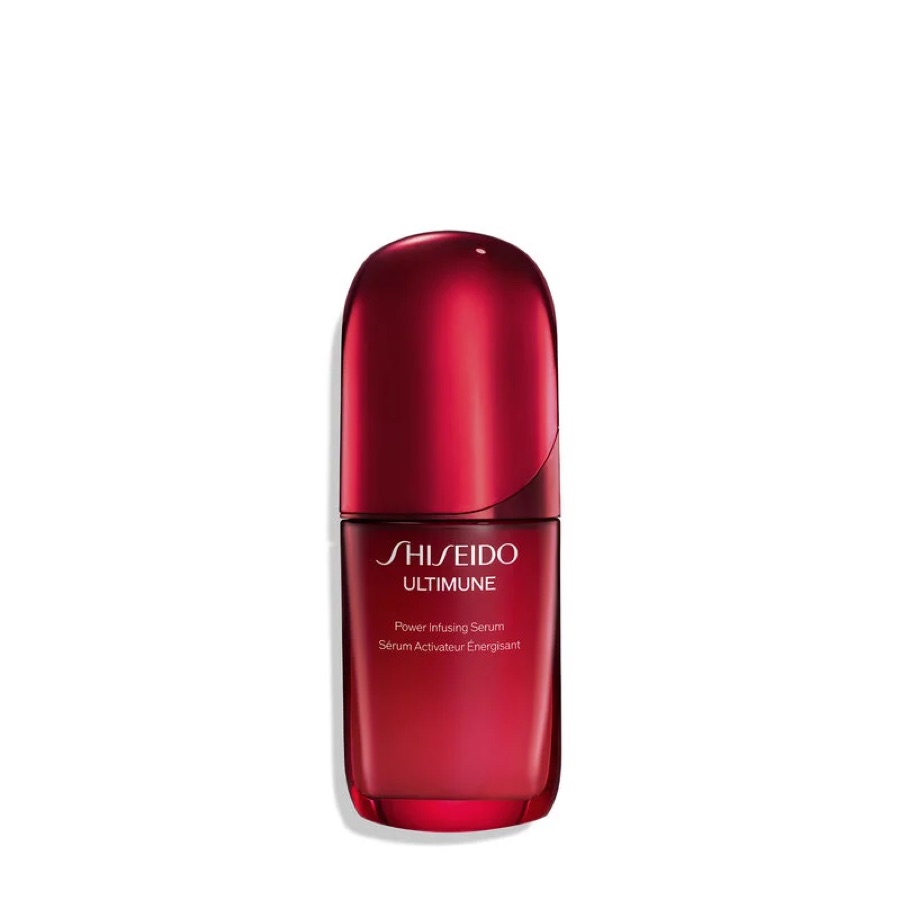
Ultimune Power Infusing Serum (2025 formula)
- Price$125
- Size50 ml (1.6 fl oz)
- Works out at$2.50 per ml
Shiseido US, 22 Nov 2026
See it on shiseido.com Ultimune vs Advanced Night Repair →
Image: Shiseido, from shiseido.com
Shiseido's Ultimune Power Infusing Serum, $125 for 50 ml on Shiseido's US site, is cheaper per millilitre at every size, offers a 75 ml refill at $1.87 a millilitre, and has a thin, fast-drying feel, but it lists denatured alcohol fourth and fragrance, linalool and citronellol near the end, which Advanced Night Repair leaves out. Our full Ultimune vs Advanced Night Repair comparison sets out both labels and both prices in yen and dollars.
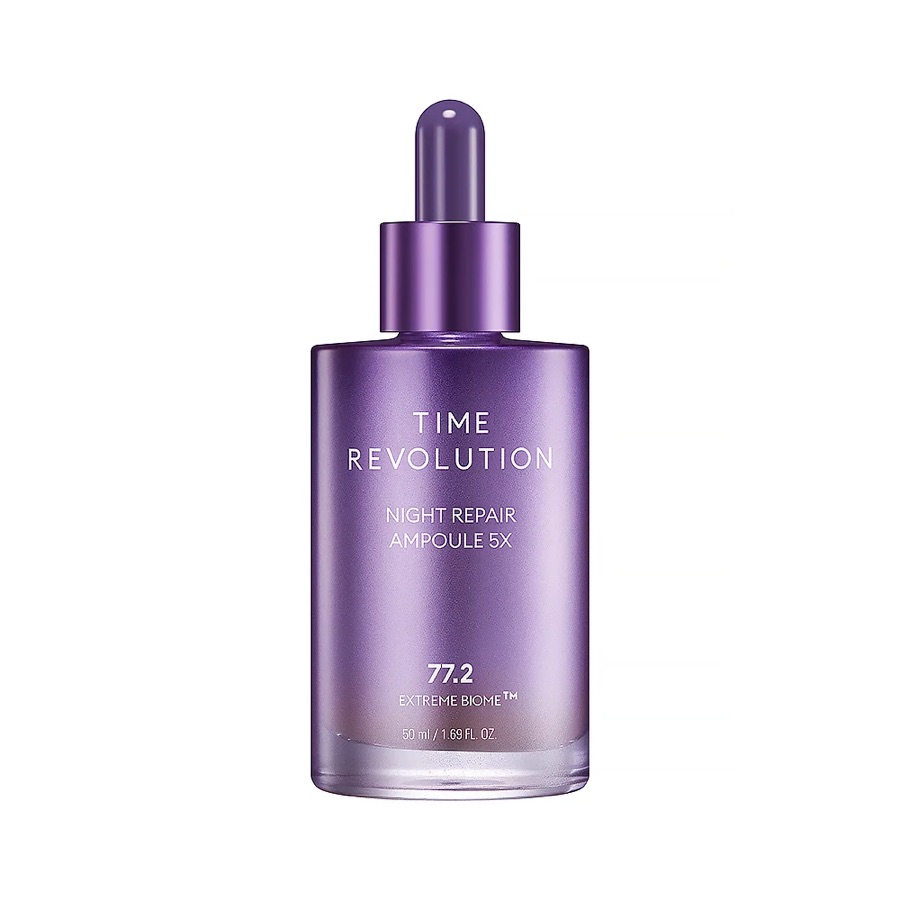
Time Revolution Night Repair Ampoule 5X
- Price$39
- Size50 ml (1.69 fl oz)
- Works out at$0.78 per ml
Missha US, 22 Nov 2026 (list price; $31.10 on sale that day)
Image: Missha, from misshaus.com
Missha's Time Revolution Night Repair Ampoule 5X, $39 for 50 ml on Missha's US site and $31.10 on sale on 22 November, lists bifida ferment lysate first with nine more ferments, niacinamide, adenosine and ceramide NP, at 78 cents a millilitre, under a third of Estée Lauder's price. It is the obvious budget alternative for anyone who wants the ferment, though its essential oils make it a poorer choice for scent-sensitive skin.
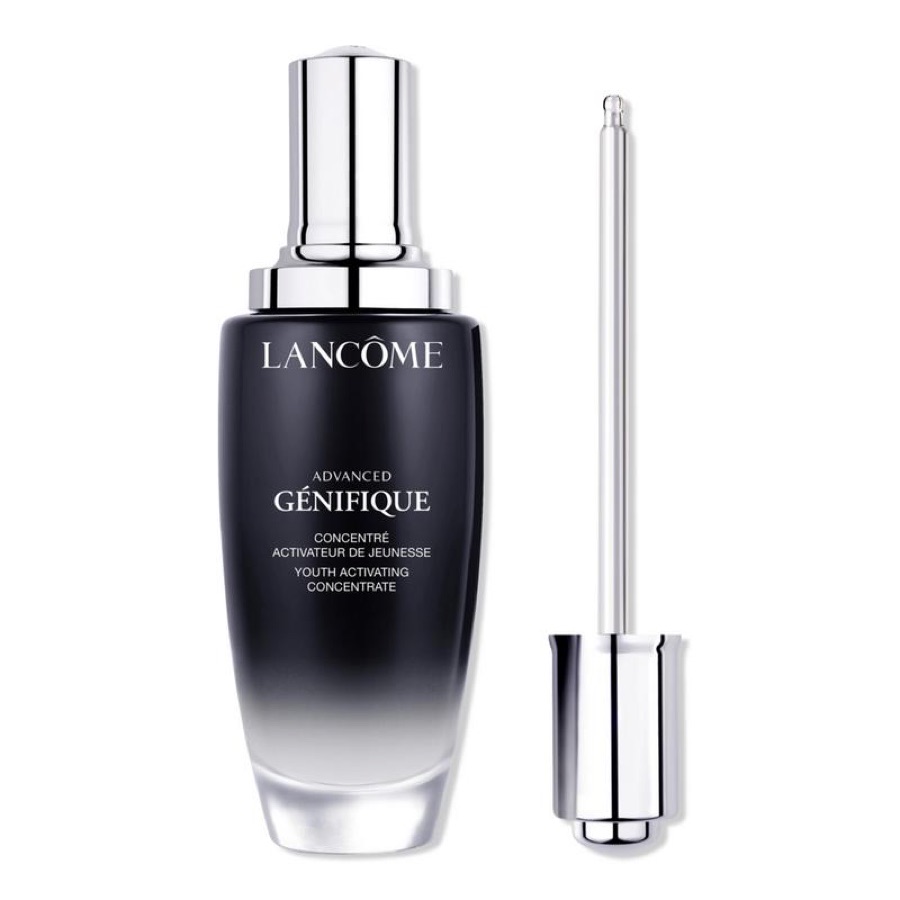
Advanced Génifique Radiance Boosting Face Serum
- Price$220
- Size100 ml (3.4 fl oz)
- Works out at$2.20 per ml
Ulta, 22 Nov 2026 (list price; $110 in a Black Friday sale that day)
Image: Lancôme, from ulta.com
Lancôme's Advanced Génifique, $220 for 100 ml at Ulta, or $2.20 a millilitre, and on sale for $110 on 22 November, is the French serum built on the same idea, with bifida ferment lysate second and a claimed 10% “bifidus prebiotic”, plus a vitamin C glucoside and hyaluronic acid. It is a little cheaper per millilitre than Advanced Night Repair's 115 ml bottle, but its alcohol and fragrance mean it suits the same buyers Ultimune does rather than the fragrance-averse.
Our verdict
Advanced Night Repair is a good serum wrapped in a great deal of science-flavoured language. What it actually offers is a light, comfortable hydrating layer without fragrance or drying alcohol, with a bacterial ferment, a peptide and hyaluronic acid higher on the label than they were before 2020, which reviewers consistently describe as pleasant and which loyal users have bought for decades, and for that it is worth having, especially for skin that dislikes scent.
We would buy it in the 115 ml bottle or the 50 ml on offer, never the 30 ml, and we would not buy it for its repair, sleep or epigenetic claims, which rest on Estée Lauder's own short tests and laboratory work. We would patch-test it first, because a long list of extracts and two dyes is still a lot for reactive skin. If you want the ferment for less and don't mind essential oils, Missha's Night Repair Ampoule costs under a third as much; if you want a cheaper prestige serum and don't mind fragrance, Shiseido's Ultimune is the better buy per millilitre.
Questions people ask
Is Estée Lauder Advanced Night Repair worth it?
It is worth it if you want a hydrating serum without synthetic fragrance or drying alcohol and buy the 115 ml bottle at $2.24 a millilitre or the 50 ml on offer; at $135 for 50 ml it is dearer than Shiseido's Ultimune, and Missha's Night Repair Ampoule offers a similar bifida ferment for $39.
Can you use Advanced Night Repair in the morning?
Yes, Ulta's listing tells you to apply it on clean skin before moisturiser, morning and evening, despite the name.
Does Advanced Night Repair contain retinol?
No, retinol is not among the 43 ingredients on its label; its main ingredients are bifida ferment lysate, tripeptide-32 and sodium hyaluronate.
Is Advanced Night Repair good for oily or acne-prone skin?
Estée Lauder calls its texture oil-free, and Marie Claire's reviewer, who has oily, acne-prone skin, found it left no greasy residue, but anyone treating acne should check with a dermatologist before adding a new serum.
Is Advanced Night Repair good for sensitive skin?
It leaves out fragrance and drying alcohol, which helps, but it contains two dyes and seven plant, seaweed and ferment ingredients, and Ulta's listing makes no sensitive-skin claim, so patch-test it and ask a dermatologist first if you have rosacea or eczema.
Does Advanced Night Repair have fragrance or dyes?
Estée Lauder says it is formulated without synthetic fragrance, and none is listed, but the label ends with two dyes, Red 4 and Yellow 5, which were also in the 2013 formula.
What changed in the new Advanced Night Repair?
The 2020 Synchronized Multi-Recovery Complex dropped the sunscreen filter octinoxate, added baobab seed extract and moved tripeptide-32, sodium hyaluronate and yeast extract higher up the list than in the 2013 Synchronized Recovery Complex II, while keeping bifida ferment lysate second.
How we put this together
We read each brand's own product pages and full ingredient lists, what buyers report in public reviews and forums, and the news coverage linked on this page. Prices are the brand's own list prices in the US on the date shown, unless the page names another shop. Nothing here is rated or scored, and no brand paid to appear.
Sources (11)
- Ulta: Estée Lauder Advanced Night Repair (prices, ingredients, claims, rating)
- INCIDecoder: Advanced Night Repair Synchronized Recovery Complex II ingredient list (uploaded April 2018)
- Marie Claire UK: Estée Lauder Advanced Night Repair, reviewed by Mica Ricketts, February 2024
- The Midst: My dirty little secret, Estée Lauder's Advanced Night Repair, by Lauria Locsmondy, October 2023
- The Estée Lauder Companies: our heritage
- The Estée Lauder Companies: fiscal 2026 results, August 2026
- The Moodie Davitt Report: Estée Lauder reveals new Advanced Night Repair, August 2020
- Estée Lauder (Canada): new Advanced Night Repair Synchronized Multi-Recovery Complex, August 2020
- Shiseido US: Ultimune Power Infusing Serum
- Missha US: Time Revolution Night Repair Ampoule 5X
- Ulta: Lancôme Advanced Génifique Radiance Boosting Face Serum