Protini is a well-made, fragrance-free gel-cream whose peptides are real and named on the label, and we would buy it, in the 100 ml jar at 99 cents a millilitre, if you want a light daily moisturizer without scent or silicones and accept that its firming claims rest on Drunk Elephant's own small study; we would not buy the refill pod, which costs 27% more per millilitre than the big jar, for which Drunk Elephant makes no refill.
- The standard 50 ml jar costs $72, or $1.44 a millilitre, while the 100 ml jar costs $99, or 99 cents, the best value Drunk Elephant offers.
- Five of its nine peptides carry the “sh” prefix for lab-made copies of human proteins, among them epidermal growth factor, and two others form the Matrixyl 3000 pair.
- The ingredient list on sale today matches the one on Drunk Elephant's site in January 2018 almost word for word, while the price has risen less than 6%.
- Ulta printed an average of 4.5 stars from 4,322 reviews on 22 November, and published reviews from Refinery29 in 2018 to NewBeauty in 2026 describe the same light gel-cream.
Buy it if…
- Buy it if you want a fragrance-free moisturizer with no essential oils or silicones, which is exactly how Drunk Elephant describes Protini.
- Buy it if you like a light gel-cream that still feels moisturizing, which is how Refinery29 in 2018 and NewBeauty in 2026 described it.
- Buy it if you want peptides in your routine and would rather have nine named on the label than one unnamed “complex”.
- Buy it in the 100 ml jar if you already know you like it, because at $99 it costs 31% less per millilitre than the standard jar.
Skip it if…
- Skip it if your skin is very dry, since Drunk Elephant itself points dryness to its ceramide cream, Lala Retro.
- Skip it if you expect firming you can measure, because the brand's evidence is one study of 31 people over eight weeks.
- Skip the refill pod, which saves only $9 on the 50 ml jar but costs 27% more per millilitre than the big jar, for which no pod is made.
- Skip it if your budget is under $40, since Olay's fragrance-free Micro-Sculpting Cream lists three peptides with niacinamide for $36.65.
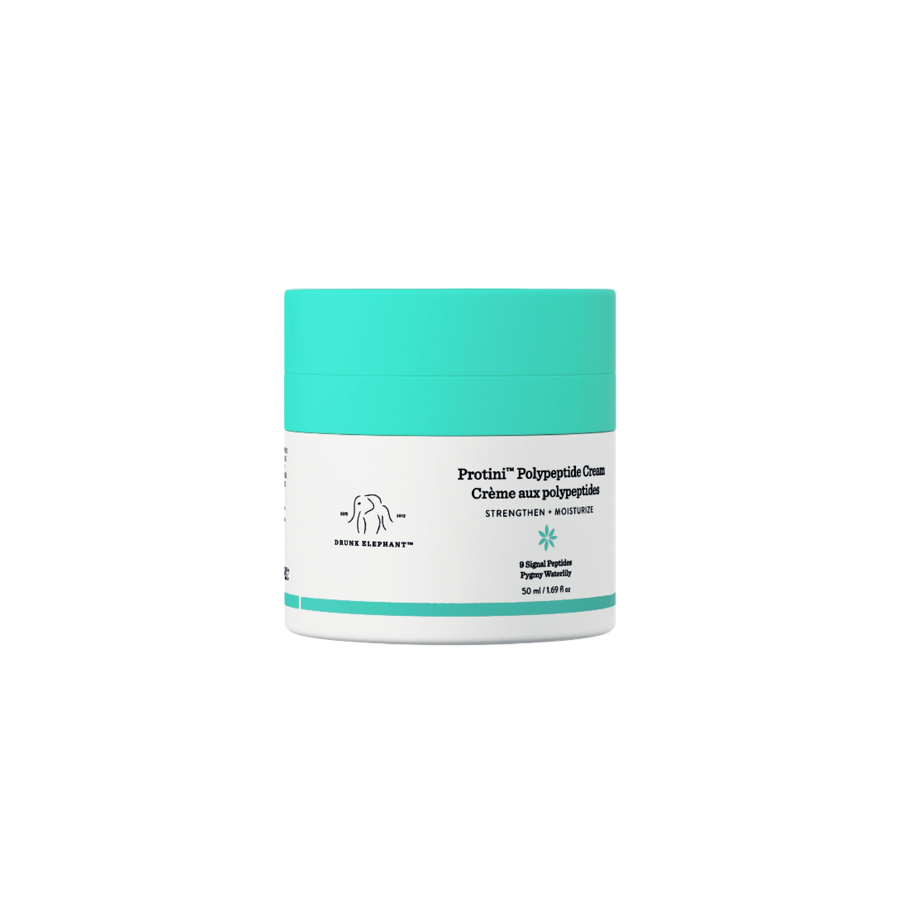
Protini Polypeptide Cream
- Price$72
- Size50 ml (1.69 fl oz)
- Works out at$1.44 per ml
Drunk Elephant US, 22 Nov 2026
See it on drunkelephant.com Protini vs Water Cream →
Image: Drunk Elephant, from drunkelephant.com
Protini has been Drunk Elephant's peptide moisturizer for at least eight years: by January 2018 it was on the brand's own site at $68 for 50 ml, and it carried the brand's promise of formulas free of what the company called the “Suspicious 6”, the six ingredient groups it blamed for most skin problems. Tiffany Masterson founded Drunk Elephant in Texas in 2012, Shiseido bought it for $845 million in 2019, and Protini is still on sale in much the same form, with 4,322 reviews on Ulta's listing alone.
It arrives at the end of 2026 in an odd position, because the cream has stayed almost exactly the same while the brand around it has been through a crisis, with sales down 25% in 2024 and 57% in the first half of 2025 and a January 2026 relaunch aimed at winning back adults. That makes it a good moment to ask the plain question this review sets out to answer: leaving the brand's troubles aside, what does $72 buy, and is it worth it?
What it costs, size by size, and how that compares
On 22 November Drunk Elephant's US site sold Protini in four versions: the 15 ml “Little” jar for $24 ($1.60 a millilitre), the 50 ml standard jar for $72 ($1.44), a 50 ml refill pod for $63 ($1.26) and the 100 ml “Big” jar for $99 (99 cents), which was down 10% to $89.10 that day. The arithmetic is unusually clear: the big jar costs 31% less per millilitre than the standard one and 21% less than the refill, and the brand makes no refill for it.
That makes the refill a saving only against the standard jar, never against the big one. So our advice is to buy the 15 ml jar first if you are unsure, at $24 it costs about a third of the standard jar, and then go straight to the 100 ml size. Say a 50 ml jar lasts you two months of morning and evening use: a year of Protini costs $432 in standard jars, $387 in refill pods after a first jar, and $297 in big jars.
Against its rivals Protini sits in the middle of the prestige range. Tatcha's The Water Cream, its most common comparison, costs $74 for 50 ml ($1.48 a millilitre), Drunk Elephant's own ceramide cream, Lala Retro, costs $68 ($1.36), and Olay's fragrance-free Regenerist Micro-Sculpting Cream, the obvious drugstore peptide alternative, costs $36.65 for 1.7 ounces, about 76 cents a gram. Protini's price has also been steadier than most: archived copies of Drunk Elephant's page show $68 in January 2018, April 2020 and February 2024, so the current $72 is a rise of less than 6% in eight years.
What's in it, ingredient by ingredient
Drunk Elephant's page lists 58 ingredients. The first nine are the base: water, dicaprylyl carbonate (a light, fast-absorbing emollient), glycerin, cetearyl alcohol, the olive-derived emulsifiers cetearyl olivate and sorbitan olivate, marula oil (Sclerocarya birrea), a bacterial folic acid ferment and a white water lily root extract. Then come the nine peptides, ten amino acids, two more amino-acid ingredients, and a long tail of moisturizers, gel thickeners and preservatives: sodium hyaluronate, sodium PCA and sodium lactate for hydration, linoleic and linolenic acids and lecithin, carbomer, xanthan gum and an acrylate polymer for the gel, and phenoxyethanol, chlorphenesin, sodium benzoate and 1,2-hexanediol to keep it stable.
The five “sh” peptides: lab-made human proteins
The first five peptides, sh-oligopeptide-1, sh-oligopeptide-2, sh-polypeptide-1, sh-polypeptide-9 and sh-polypeptide-11, carry a prefix that Altmeyer's dermatology encyclopedia defines as “synthetic and human”: each is a lab-made version of a human protein. Altmeyer's says sh-oligopeptide-1, for one, is made by genetically engineered E. coli bacteria or plants from an exact synthetic copy of the human gene for epidermal growth factor (EGF), and the ingredient distributor Brenntag sells sh-polypeptide-1 as a copy of basic fibroblast growth factor and sh-oligopeptide-2 as a mimic of insulin-like growth factor 1, so at least three are copies of what biologists call growth factors; we found no source we could rely on for sh-polypeptide-9 and sh-polypeptide-11.
Drunk Elephant says as much in its own way. Tiffany Masterson's note on the product page describes Protini as “jam-packed with crazy levels of amino acids, signal peptides, and safe, synthetic growth factors (the good kind)”, while the brand's FAQ says that “Protini contains plant-derived peptides”, without saying which, or whether that means the sh-peptides are grown in plants rather than bacteria. What the brand does not give, for any of them, is a percentage.
The other four peptides, and the amino acids
The remaining four are small, fat-linked peptides of the kind found in many anti-aging creams: copper palmitoyl heptapeptide-14, heptapeptide-15 palmitate, palmitoyl tetrapeptide-7 and palmitoyl tripeptide-1. The last two together are the blend sold as Matrixyl 3000, which Clarins' ingredient library calls “a well-known anti-ageing ingredient for the past 25 years” and describes as synthetic peptides identical to two molecules found in skin.
The ten amino acids, alanine, arginine, glycine, histidine, isoleucine, phenylalanine, proline, serine, threonine and valine, plus acetyl glutamine and aspartic acid, are the building blocks of proteins, and on skin they work mainly as humectants that hold water, which is consistent with Drunk Elephant's own description of its peptides as ingredients that “bind moisture to skin”. Of everything on the label, this cluster is what sets Protini apart from cheaper peptide creams: Olay's Micro-Sculpting Cream, for comparison, lists three peptides and no free amino acids.
The botanicals, and what the label really says
Drunk Elephant's key-ingredient panel names a “pygmy waterlily stem cell extract” and a “soybean folic acid ferment extract”, and the label tells a slightly different story about both. The ingredient it lists is Nymphaea alba root extract, which the European ingredient database COSMILE describes as a solvent extract of the roots of the white water lily, whereas the pygmy water lily is a different species, Nymphaea tetragona, according to the US Fish and Wildlife Service. The only cell-culture ingredient in the cream is the very last one, a callus culture of comfrey (Symphytum officinale).
The ferment has changed name as well: in January 2018 and April 2020 the list read “Bacillus/Soybean/Folic Acid Ferment Extract”, and by February 2024 it read “Bacillus/Folic Acid Ferment Extract”, without the soybean the key-ingredient panel still mentions. Marula oil, seventh on the list, is the cream's main plant oil and the reason Protini is not oil-free, which matters if you want an oil-free cream and not at all if you don't.
What isn't in it
Drunk Elephant says Protini is “100% free of essential oils, silicones, fragrance/dyes, and solvent alcohols”, formulated at a pH of 4.0 and dermatologist-tested, and the label bears that out: there is no parfum, no dimethicone or other silicone, and no denatured alcohol. Its absence of fragrance is the most useful thing about it for anyone whose skin dislikes scent, and it is the clearest difference from Tatcha's The Water Cream, which lists perfume, alcohol and three fragrance components, as we set out in our Protini vs Water Cream comparison.
The cream hasn't changed since 2018; the name, the price and the jar have
Put Drunk Elephant's ingredient list from January 2018 beside today's and they match ingredient for ingredient, in the same order, with one exception: the ferment that was “Bacillus/Soybean/Folic Acid Ferment Extract” is now “Bacillus/Folic Acid Ferment Extract”. Over the same eight years the price of a 50 ml jar has gone from $68 to $72, a rise of 5.9%, which is gentle for a prestige cream through years of high inflation.
What has changed is everything around the formula. The product page now calls it the Protini Polypeptide Firming Refillable Moisturizer, though the jar in Drunk Elephant's own photograph still says Protini Polypeptide Cream, and the brand has added a refill pod and a 100 ml jar. So a buyer who loved Protini in 2018 and drifted away during the brand's “Sephora Kids” years would be coming back to the same cream, in a different jar.
Texture, finish and wear, as Drunk Elephant and reviewers describe them
Drunk Elephant calls Protini a “lightweight gel-cream” that “delivers daily moisture”, and says it “visibly firms skin and supports healthy collagen production” and reduces “the appearance of texture, fine lines, wrinkles, and sun damage”. Its evidence is a clinical study of 31 people over eight weeks in which 96% showed improvement in skin tone, radiance and luminosity, 93% in texture and 90% in hydration, figures that come from the brand and that we could not find replicated anywhere independent.
Published reviewers describe the texture in much the same terms. Refinery29's Rachel Krause, writing when it launched in January 2018, found “a surprisingly lightweight, almost gel-like texture”, and NewBeauty's Britt Fallon, in January 2026, wrote that although it is sold as a light gel-cream, “it feels more moisturizing than most other gel-creams I've tried.” The brand suggests applying it morning and night and says it can be mixed with any of its serums, including its vitamin C serum and its retinol treatments.
What reviewers praise, and what they don't
Shoppers rate it well wherever the figure is printed: Ulta's listing showed 4.5 stars from 4,322 reviews on 22 November, while Drunk Elephant's own product page prints no average or count at all, only a heading for its reviews. The published praise has been steady for eight years, and the most recent is the most specific: NewBeauty's Fallon wrote that “My skin always looks smoother and healthier after using this moisturizer twice a day, even just for a couple weeks,” and that the formula is “free of fragrances and dyes, which I really appreciate.”
The criticisms in print are milder than the price might suggest. Krause's only caveat in 2018 was that “a strictly anti-aging formula this is not”, and Fallon's “only gripe” this year was that you cannot tell how much cream is left in the jar, which is the cost of a pump that keeps air and fingers out. The firmer complaints are ours: every size except the big jar costs more per millilitre than it needs to, the key-ingredient panel promises things the label does not show, and the refill pod's arithmetic, which we set out below, works against the buyer.
My skin still feels hydrated and comfortable at the end of the day.
Britt Fallon, NewBeauty, January 2026
What goes wrong: the refill pod
The pump jar has been part of Protini's appeal since launch, when Krause praised a jar with “no top to unscrew or pot to dip your grubby fingers into”, and Fallon still loved its “hygienic (and refillable!) packaging” in January 2026. The refill pod came later: the Daily Beast reported in February 2023 that pods for Protini and Lala Retro would go on sale on 15 March, Protini's at $60, and the routine, as Drunk Elephant's refill page sets it out, is to remove the cap and unscrew the pump, lift out the empty inner jar, insert the pod, peel off the film seal and “Immediately screw pump back on tightly.”
The trouble is the price. The pod now costs $63 for 50 ml, which saves $9, or 12.5%, on a new standard jar, but at $1.26 a millilitre it costs 27% more than the 100 ml jar, and Drunk Elephant makes no pod for the big size, so the cheapest way to keep buying Protini is not to refill at all. Fallon put the saving at “$9 a pop”, which is true against the standard jar and beside the point against the big one; if you choose the pod because keeping one outer jar and pump appeals more than a stack of empties, that is a fair reason, but it is not a saving.
just press down to release the perfect dime-sized serving every time
Rachel Krause, Refinery29, on the pump jar at Protini's launch, January 2018
Refilling Protini costs $90 a year more than buying it in the big jar
The refill pod has always been a small saving on the wrong comparison. When it went on sale in March 2023 at $60, it was $8 cheaper than the standard jar, which archived copies show at $68 both before and after, in April 2020 and February 2024; today it is $63 against $72, a $9 saving. But two pods, 100 ml of cream, cost $126, while the 100 ml jar on the same page costs $99, so refilling costs $27, or 27%, more for every 100 ml of the same cream.
Say a 50 ml jar lasts you two months of morning and evening use, so you get through 300 ml a year: one standard jar followed by five pods costs $387, three big jars cost $297, and six standard jars cost $432. The refill route therefore saves $45 a year on buying standard jars and loses $90 a year to buying big ones, and since Drunk Elephant makes no pod for the 100 ml size, the buyer who wants both the lowest price and the least packaging cannot have them. Tatcha's refill for The Water Cream has the same flaw, fitting only its 50 ml jar, as we show in our Protini vs Water Cream comparison.
What else goes wrong: breakouts, dryness and expectations
Any new moisturizer can disagree with someone's skin, and Protini contains marula oil and several emollients, so it is not the lightest choice for very oily skin; Refinery29's launch review made a selling point of the oil, noting it sat “right at the top of the ingredients list”, which on today's list means seventh, after water, an emollient, glycerin, a fatty alcohol and two emulsifiers. The $24 travel jar is the sensible way to find out how your skin takes it, and anyone with acne, rosacea or eczema should ask a dermatologist before changing moisturizers.
Dryness is the other gap. Drunk Elephant's comparison chart on the Protini page sends “dryness” to Lala Retro and “chronic dryness and redness” to Bora Barrier, which is the brand's way of saying that Protini is a light daily cream rather than a rich one. And the firmness claims should be read for what they are: the brand's own eight-week study of 31 people, with no independent replication we could find, which is a reason to buy Protini for how it feels and what it leaves out rather than for a promise about collagen.
The history: from Texas to Tokyo, and back to adults
Tiffany Masterson founded Drunk Elephant in 2012 and its first products went on sale in August 2013, according to Adweek, and by the time Shiseido agreed to buy it in October 2019 for $845 million it had earned more than $150 million in 2018 from about 20 products, by an estimate Fox Business attributed to the Business of Fashion. Masterson stayed on as chief creative officer after the sale, and her note about Protini, comparing it to the protein powder she adds to her smoothies, is still on the product page.
The fall came fast. Drunk Elephant's sales dropped 25% in 2024 and 57% in the first half of 2025, Cosmetics Business reported, with Shiseido blaming first production problems and then “unclear brand values”, and the publication has tied the slide to the “Sephora Kids” episode of January 2024. In January 2026 the brand wiped its Instagram feed and launched a “Please Enjoy Responsibly” campaign for adults, with Barbara Calcagni, president of its global brands, saying that “From day one, the principle has been simple: everything the skin needs, nothing it does not,” according to Cosmetics Business. Sales still fell 14% in the second quarter of 2026 and 23% in the third, the same publication reported in November.
How it compares
Protini's closest rivals are a fragranced Japanese-inspired gel at almost the same price, its own brand's ceramide cream for drier skin, and a drugstore peptide cream at half the price. Here is how each stacks up.
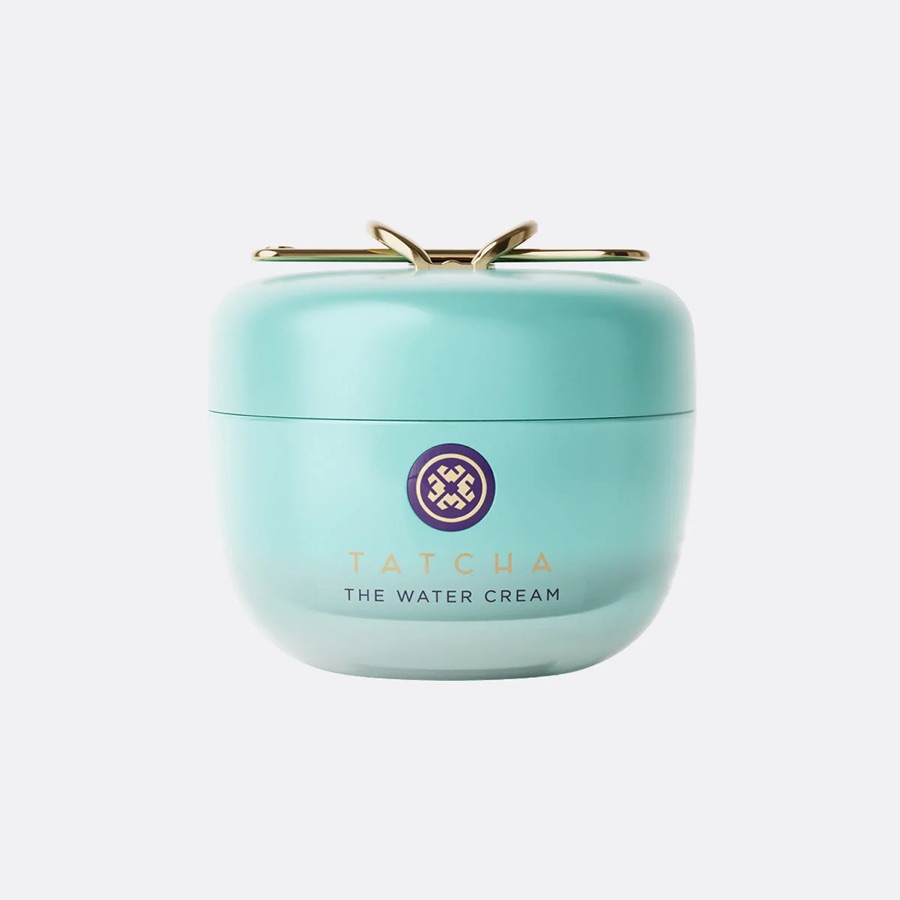
The Water Cream
- Price$74
- Size50 ml (1.7 fl oz)
- Works out at$1.48 per ml
Tatcha US, 22 Nov 2026 (full price; Tatcha also offered 25% off sitewide with a code that day)
See it on tatcha.com Protini vs Water Cream →
Image: Tatcha, from tatcha.com
Tatcha's The Water Cream, $74 for 50 ml, is the better choice for properly oily skin that wants an oil-free gel, but it lists perfume, alcohol, limonene, linalool and citral, it has no peptides, and it costs more per millilitre than Protini at every size. Our full Protini vs Water Cream comparison goes through both labels ingredient by ingredient.
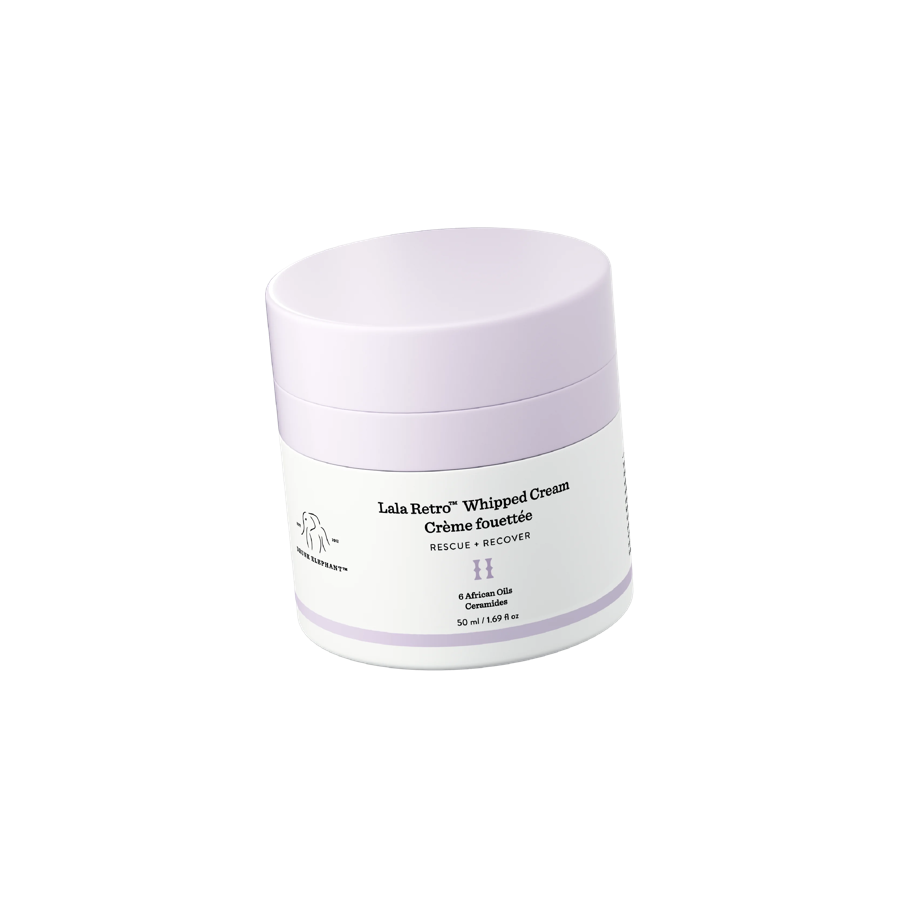
Lala Retro Whipped Cream
- Price$68
- Size50 ml (1.69 fl oz)
- Works out at$1.36 per ml
Drunk Elephant US, 22 Nov 2026
Image: Drunk Elephant, from drunkelephant.com
Drunk Elephant's Lala Retro Whipped Cream, $68 for 50 ml, is the brand's answer for dry skin, with ceramides AP, EOP and NP, cholesterol and what it calls five African oils in an airy whipped texture at pH 5.2. It has no peptides, and Drunk Elephant's own comparison chart aims it at dryness rather than firmness, which makes it the better pick if dryness rather than texture is your problem.
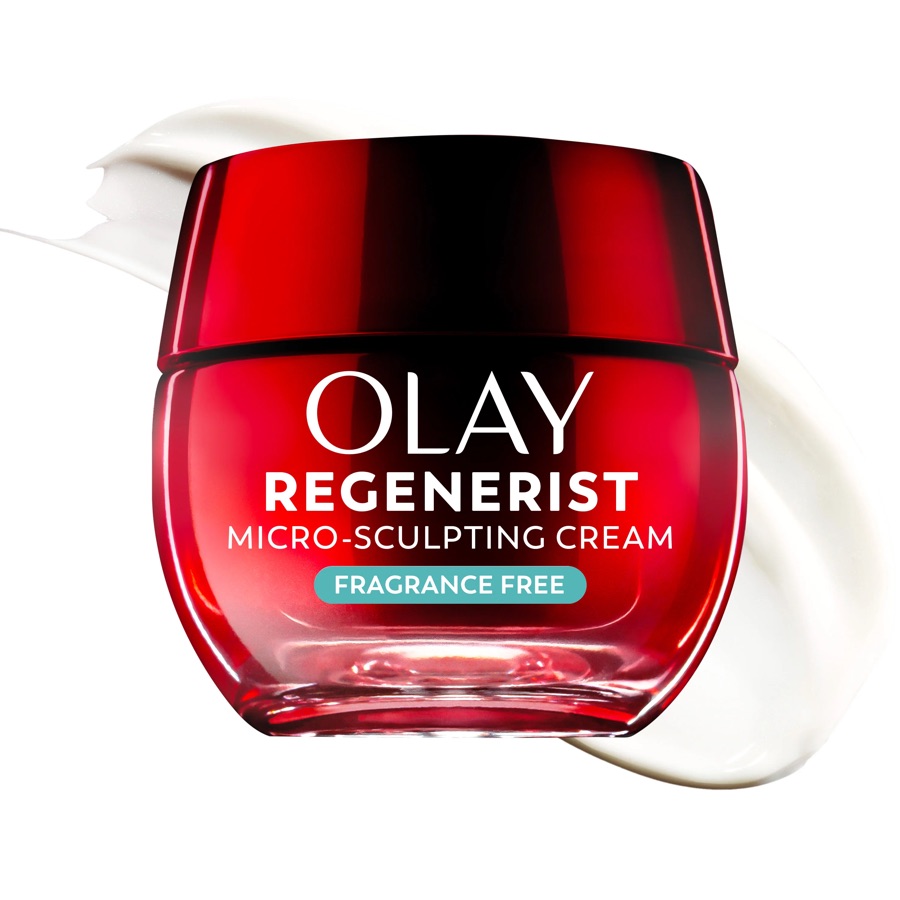
Regenerist Micro-Sculpting Cream Fragrance Free
- Price$36.65
- Size1.7 oz (about 48 g)
- Works out at$0.76 per gram
Olay US, 22 Nov 2026
Image: Olay, from olay.com
Olay's Regenerist Micro-Sculpting Cream Fragrance Free, $36.65 for 1.7 ounces, is the cheapest way to put peptides in a moisturizer: it lists niacinamide fifth, panthenol, and three peptides, palmitoyl dipeptide-7, palmitoyl pentapeptide-4 and tripeptide-3, which Olay calls its “triple collagen peptide”. It contains dimethicone, which Protini avoids, and Olay describes it as a light cream rather than a gel, but at about half Protini's price it is the one we would try first on a tight budget.
Our verdict
Protini is a good cream sold with more science-flavored language than it needs. What it actually offers is a fragrance-free, silicone-free gel-cream with nine named peptides, ten amino acids and a formula that has not changed in eight years, at a price that has risen less than 6% in that time, and for buyers who want exactly that, it is worth the money, especially in the 100 ml jar at 99 cents a millilitre.
We would not buy it for its firming claims, which rest on the brand's own 31-person study, and we would not buy the refill pod, which costs 27% more per millilitre than the big jar, for which no refill exists. If your skin is very dry, buy Lala Retro instead; if it is very oily and scent does not bother you, try Tatcha's Water Cream; and if $72 is too much, Olay's fragrance-free Micro-Sculpting Cream gets you peptides for about half.
Questions people ask
Is Drunk Elephant Protini worth it?
It is worth it if you want a fragrance-free, silicone-free peptide moisturizer and buy the 100 ml jar, which costs $99, or 99 cents a millilitre. The standard 50 ml jar at $72 is fair value, but the refill pod is not, since it costs 27% more per millilitre than the big jar and no refill is made for the big size.
Does Protini contain growth factors?
Yes, in the sense that five of its nine peptides carry the “sh” prefix for lab-made copies of human proteins, and at least three of those are copies of growth factors, including epidermal growth factor. Drunk Elephant's founder calls them “safe, synthetic growth factors” on the product page.
Is Protini fragrance-free?
Yes, Drunk Elephant says Protini is free of fragrance, dyes, essential oils, silicones and solvent alcohols, and its ingredient list contains no parfum. That is one of the main differences from Tatcha's The Water Cream, which lists perfume.
Is Protini good for oily or acne-prone skin?
It can suit oily skin, since it is a light gel-cream, but it contains marula oil, seventh on its ingredient list, so very oily skin may prefer an oil-free gel such as Tatcha's The Water Cream. Try the $24, 15 ml jar first, and ask a dermatologist if you are treating acne.
Can you use Protini with retinol and vitamin C?
Yes, according to Drunk Elephant, which says Protini can be mixed with its C-Firma vitamin C serum and used with its retinol treatments. Anyone new to retinol should still start slowly.
How do you refill a Protini jar?
Drunk Elephant's instructions are to remove the cap and unscrew the pump, take out the empty inner jar, put the refill pod into the outer jar, remove its film seal and screw the pump back on tightly straight away. The only pod sold is the 50 ml size; there is none for the 100 ml jar, which is cheaper per millilitre than refilling.
Has Drunk Elephant changed the Protini formula?
Barely: the ingredient list today matches the one on Drunk Elephant's site in January 2018 in the same order, except that the ferment once listed as “Bacillus/Soybean/Folic Acid Ferment Extract” is now “Bacillus/Folic Acid Ferment Extract”. The product's web name and packaging have changed more than the cream.
How we put this together
We read each brand's own product pages and full ingredient lists, what buyers report in public reviews and forums, and the news coverage linked on this page. Prices are the brand's own list prices in the US on the date shown, unless the page names another shop. Nothing here is rated or scored, and no brand paid to appear.
Sources (23)
- Drunk Elephant US: Protini Polypeptide Firming Refillable Moisturizer (prices, ingredients, claims, FAQ)
- Drunk Elephant Protini page, archived January 2018
- Drunk Elephant Protini page, archived April 2020
- Drunk Elephant Protini page, archived February 2024
- Drunk Elephant US: Lala Retro Nourishing Whipped Refillable Moisturizer
- Altmeyer's Encyclopedia: sh-Oligopeptide-1
- Brenntag: CG-bFGF (sh-Polypeptide-1)
- Brenntag: CG-IGF (sh-Oligopeptide-2)
- Clarins ingredient library: Matrixyl 3000
- COSMILE Europe: Nymphaea Alba Root Extract
- US Fish and Wildlife Service: pygmy water-lily (Nymphaea tetragona)
- Tatcha US: The Water Cream
- Ulta Beauty: Drunk Elephant Protini Polypeptide Firming Moisturizer (printed rating and review count)
- Refinery29: Rachel Krause on Drunk Elephant's Protini Polypeptide Cream (January 2018)
- NewBeauty: Britt Fallon's Protini Polypeptide Moisturizer review (January 2026)
- The Daily Beast: Drunk Elephant's two best-selling creams are coming in refillable pods (February 2023)
- Drunk Elephant US: Protini refill pod and refill instructions
- Olay US: Regenerist Micro-Sculpting Cream Fragrance Free
- Adweek: Shiseido acquires Drunk Elephant for $845 million
- Fox Business: Shiseido inks $845M deal for Drunk Elephant (October 2019)
- Cosmetics Business: Drunk Elephant continues to drag down Shiseido (August 2025)
- Cosmetics Business: Drunk Elephant shrugs off 'Sephora Kids' era (January 2026)
- Cosmetics Business: Shiseido returns to profit in Q3 (November 2026)