Buy Moisture Surge if you want a fragrance-free, oil-free gel-cream that suits oily, combination or fragrance-sensitive skin, ideally in the 125 ml jar, which brings it down to 71 cents a millilitre; buy Water Bank if your skin is normal to dry and you want a richer cream with squalane, ceramide and cholesterol and don't mind a light fragrance, at 76 cents a millilitre in the standard jar and 60 cents in the 100 ml jumbo jar.
- You want no fragrance at all, which Clinique promises for Moisture Surge, rather than the 'light, fresh scent' Laneige describes in Water Bank.
- Your skin is oily or combination, since Clinique calls Moisture Surge oil-free and non-acnegenic, while Laneige pitches Water Bank Cream at normal to dry skin.
- You want hyaluronic acid high on the list: sodium hyaluronate is eighth of Clinique's 42 ingredients, whereas Water Bank's only hyaluronic acid comes 30th of 38.
- You will buy the big jar, because the 125 ml size at $89 costs 71 cents a millilitre, and Clinique's 30% sitewide sale on 22 November brought it to $62.30.
- Your skin is normal to dry and you want a richer cream, with squalane fourth on the list and panthenol, ceramide NP and cholesterol further down.
- You want the lower price: $38 for 50 ml against Clinique's $48, and $60 for the 100 ml jumbo jar, the cheapest millilitre of either brand at full price.
- You like refills, since a $32 pod fits into the original jar, which Laneige says uses 70% less plastic than buying a new one.
- You want a brand that has been cutting rather than raising its price: Water Bank's 50 ml jar has fallen from $40 in 2022 to $38, while Moisture Surge's has risen from $41 to $48 since 2021.
The one difference that matters: Moisture Surge is a fragrance-free, oil-free gel built on silicones, glycerin and aloe for every skin type and tinted pink with two dyes, whereas Water Bank is a richer, scented cream built on glycerin, squalane and lipids such as ceramide and cholesterol for normal to dry skin, and their ingredient lists have only seven entries in common.
Water Bank lists fragrance among its 38 ingredients even though Laneige calls it 'sensitive-skin-friendly', so anyone who reacts to perfume should read its label first.
| | |
|---|---|---|
| Price, 50 ml jar | $48 (Clinique US) | $38 (Laneige US) |
| Price per ml, 50 ml | 96 cents | 76 cents |
| Cheapest per ml at full price | 125 ml jar, $89 (71 cents) | 100 ml jumbo jar, $60 (60 cents) |
| Sizes | 15, 30, 50, 75 and 125 ml | 20 ml mini, 50 ml, 100 ml and a 50 ml refill pod ($32) |
| Sale on 22 Nov 2026 | 30% off sitewide: $33.60 for 50 ml | 20% off skincare: $30.40 for 50 ml |
| Texture | Oil-free gel-cream | Rich, cushiony cream |
| Hydration claim | 100 hours | Up to 100 hours |
| Key ingredients | Aloe bioferment, sodium hyaluronate, caffeine, trehalose, two silicones | Squalane, hydrolyzed hyaluronic acid ('Blue Hyaluronic Acid'), panthenol, ceramide NP, cholesterol, a peptide |
| Fragrance and color | Fragrance-free; tinted with Red 4 and Yellow 5 | Contains fragrance; no added color |
| Skin type the brand names | All skin types, including sensitive | Normal to dry |
| Ingredients | 42 | 38 (the same list in the US and Korea) |
| Brand and owner | Clinique, New York, 1968; The Estée Lauder Companies | Laneige, Seoul; Amorepacific (Water Bank line since 2002) |
Prices from each brand's US site on 22 November 2026, before that day's discounts unless marked. Prices per millilitre are our arithmetic.
An American gel and a Korean cream, both promising 100 hours
Both jars promise the same remarkable number. Clinique says Moisture Surge 100H 'provides 100 hours of stabilizing hydration', and Laneige says Water Bank Blue Hyaluronic Cream gives 'up to 100-HR hydration', so a shopper choosing between New York and Seoul is choosing between two companies that settled on the same figure, and between two products that have each been rewritten in the past five years to reach it. Clinique, which the Estée Lauder Companies says was founded in New York in 1968 after a beauty editor asked a dermatologist 'Can great skin be created?', replaced its 72-hour Moisture Surge with the 100H in early 2021. Laneige, the skincare brand of Korea's Amorepacific, has sold Water Bank since 2002, and Amorepacific said in March 2023 that the Blue Hyaluronic Cream had sold more than 13 million units in Korea and abroad.
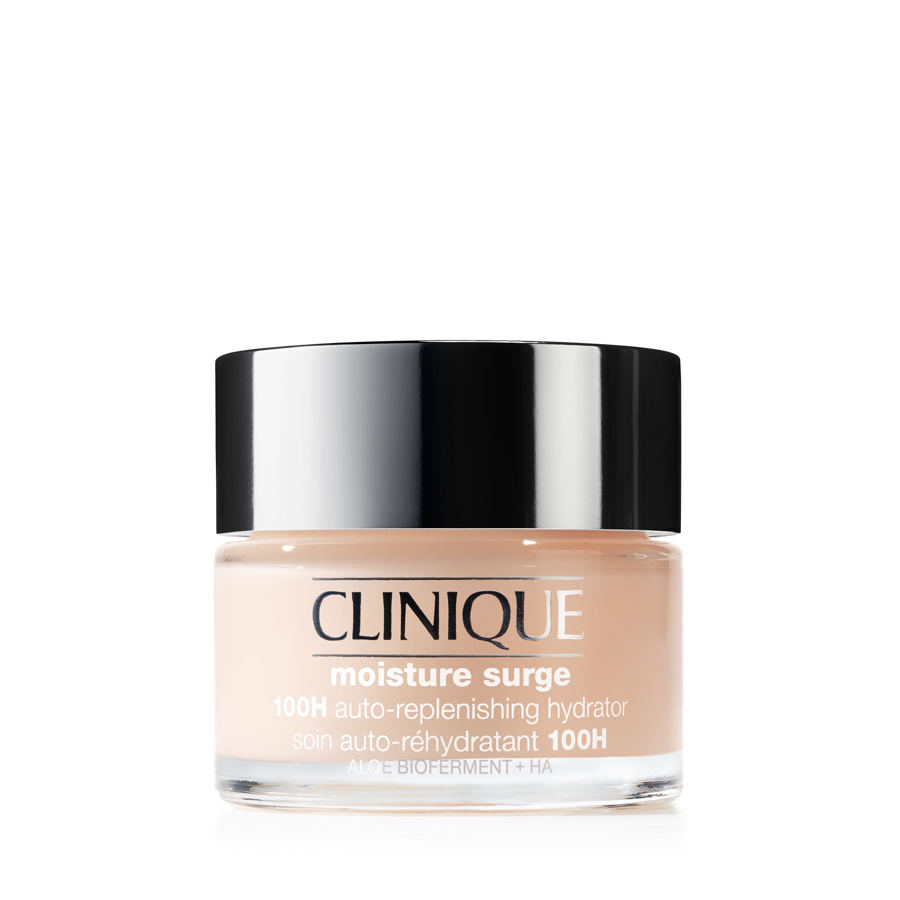
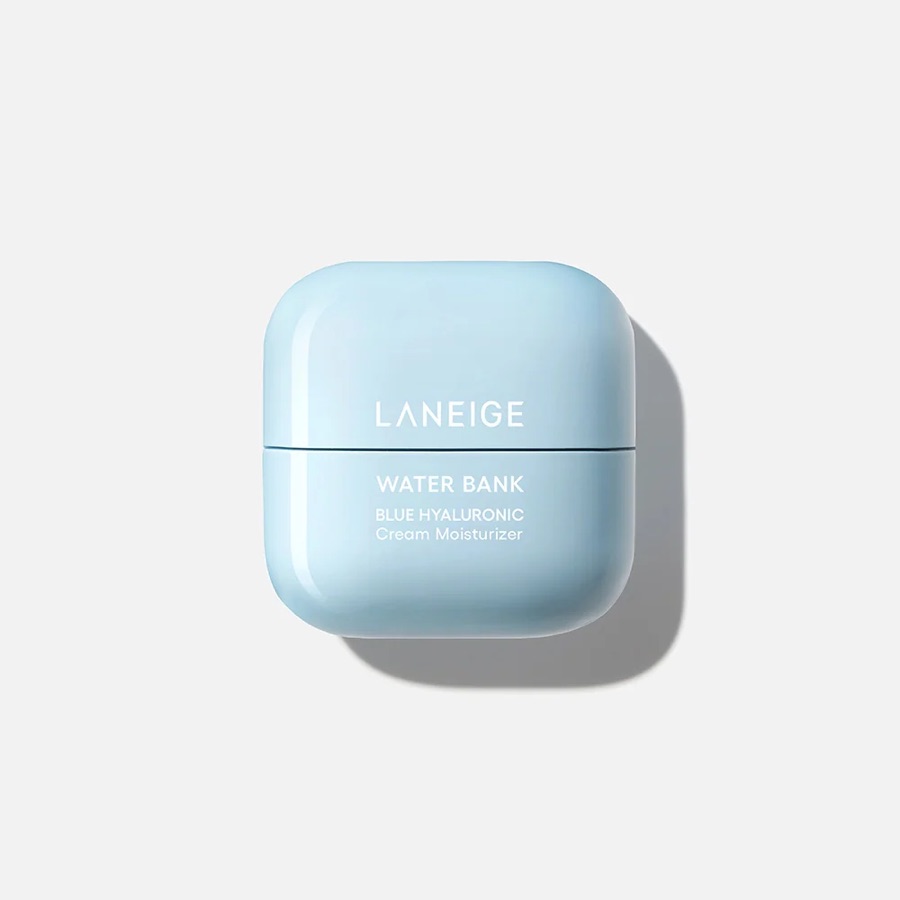
The two take opposite routes to the same promise. Clinique's is a pale pink, oil-free gel-cream that it says absorbs 'In just 3 seconds', sold in five sizes of jar; Laneige's is a white cream in a rounded square jar with a refill pod, sold in four versions plus a 'Matin Kim' edition at the same $38 as the standard jar. On 22 November both brands were also running sales, Clinique at 30% off everything and Laneige at 20% off skincare until the end of the month, which is worth knowing before paying full price for either.
Both promise 100 hours, both measured it on a few dozen women, and the cream named for hyaluronic acid has the least of it
Clinique's '100 hours of stabilizing hydration' sits on a product page whose small print cites clinical testing on 19 women for its hydration boost and 27 for its glow, and consumer testing on 110 women for how skin felt after a week. Laneige's 'up to 100-HR hydration' is, in its own footnote, an 'Instrumental result, 32 women, after one use', and the rest of its claims come from a four-week study of 32 women aged 20 to 45; Amorepacific's Korean shop dates a 32-woman study of the cream to August and September 2023. Neither brand publishes its study, and neither figure tells you how your face will feel on the second afternoon, after two cleanses and a shower.
The ingredient lists are more revealing. In Clinique's 42, sodium hyaluronate comes eighth, ahead of every aloe ingredient; in Laneige's 38, the only hyaluronic acid on the label, hydrolyzed hyaluronic acid, comes 30th, after the allantoin and just before ceramide NP and the fragrance. So the cream named for 'Blue Hyaluronic Acid' leans on glycerin, butylene glycol and squalane, its second, third and fourth ingredients, to do most of its hydrating, while the gel that leads with aloe in its marketing lists its hyaluronic acid far higher.
Clinique Moisture Surge 100H: the pink gel that replaced a favorite
Moisture Surge 100H Auto-Replenishing Hydrator
- Price$48
- Size50 ml (1.7 fl oz)
- Works out at$0.96 per ml
- FinishGel-cream, dewy
Clinique US, 22 Nov 2026 (full price; Clinique took 30% off sitewide that day, making it $33.60)
Image: Clinique, from clinique.com
What it costs, size by size
Clinique sells Moisture Surge 100H in five jars on its US site: 15 ml for $18 ($1.20 a millilitre), 30 ml for $31 ($1.03), 50 ml for $48 (96 cents), 75 ml for $65 (87 cents) and 125 ml for $89 (71 cents). On 22 November Clinique was taking 30% off sitewide, which brought the 50 ml jar to $33.60 and the 125 ml to $62.30, or 50 cents a millilitre, the lowest price per millilitre for either cream that day.
Prices have climbed steadily since the 100H arrived. An archived copy of Clinique's page from February 2021 shows the same five jars at $14, $25, $41, $56 and $79, so the 50 ml jar has risen 17% in less than six years and the smallest jar 29%, while the biggest has risen only 13%, which widens the gap between sizes every year. We would buy the 30 ml jar once to find out whether you like the feel, and then go straight to the 125 ml, which at 71 cents a millilitre undercuts Laneige's standard 50 ml jar, though not its jumbo jar or its refill pod.
What's in it, and what 'oil-free' means here
Clinique's page lists 42 ingredients: water, dimethicone, butylene glycol, glycerin, trisiloxane, trehalose, saccharomyces lysate extract, sodium hyaluronate, aloe leaf extract, aloe leaf water, milk thistle extract, green tea leaf extract, aloe leaf polysaccharides, sorbitol, sodium polyaspartate, caffeine, Thermus thermophillus ferment, Lactobacillus ferment lysate, palmitoyl hexapeptide-12, caprylyl glycol, sucrose, hydroxyethyl urea, ammonium acryloyldimethyltaurate/VP copolymer, oleth-10, acrylates/C10-30 alkyl acrylate crosspolymer, saccharide isomerate, hydrogenated lecithin, tromethamine, glyceryl polymethacrylate, disodium EDTA, PEG-8, hexylene glycol, citric acid, sodium citrate, tocopheryl acetate, BHT, magnesium ascorbyl phosphate, phenoxyethanol, sodium benzoate, potassium sorbate, Red 4 and Yellow 5.
The first five do most of the work. Dimethicone and trisiloxane, second and fifth, are silicones that give the gel its slip and its quick, dry finish, and glycerin and butylene glycol are humectants that draw water into the top layer of skin. 'Oil-free' is accurate in the sense that there are no plant or mineral oils, but this is a silicone gel rather than a water gel, which is why it feels silky rather than wet, and why it suits skin that is short of water more than skin that is short of oil.
Clinique's headline ingredient is what it calls aloe bioferment, made, it says, by concentrating aloe 'over 500 times' and then putting it through a '10-step fermentation process over 5+ days'; on the label that shows up as three aloe ingredients and Lactobacillus ferment lysate. Sodium hyaluronate, which Clinique says is a blend of two molecular weights, sits eighth; caffeine, trehalose, sucrose, sorbitol, hydroxyethyl urea and a peptide, palmitoyl hexapeptide-12, fill out the middle; and magnesium ascorbyl phosphate and tocopheryl acetate are the vitamins C and E Clinique mentions as antioxidants. The pale pink color comes from the last two ingredients, the dyes Red 4 and Yellow 5, which matters only if you avoid dyes, because Clinique's promise is 'fragrance free', not color-free.
What changed from the 72-hour version
The 100H was on Clinique's US site by early February 2021, billed as 'An upgrade on our fan-favorite' that 'lasts 100 hours', and it reached airport shops that spring with a campaign starring Emilia Clarke, according to the travel-retail trade paper The Moodie Davitt Report, which said it would come in 30, 50 and 75 ml recyclable glass jars. INCIDecoder's record of the old 72-hour formula shows how little changed underneath: the first six ingredients are the same, in the same order, and the main differences are that the 100H adds the aloe extract, aloe polysaccharides and Lactobacillus ferment that make up the aloe bioferment, adds citric acid, sodium citrate, sodium benzoate and potassium sorbate, and drops the birch bark extract the 72-hour list carried.
For anyone who loved the old gel, that is mostly good news, since the base that gives Moisture Surge its feel is unchanged, and the new aloe ferment and the two added preservatives are the ingredients to suspect if your skin tolerated the 72-hour version but not this one. The bigger change for shoppers has been the price, which has risen in every size since the relaunch, and the name: the '100H' on the jar is a marketing figure from a small study, and nothing in the list suggests the new gel is a different kind of moisturizer from the one it replaced.
What Clinique says it does, and how shoppers rate it
Clinique describes Moisture Surge as its 'bestselling moisturizer', a 'Refreshing gel moisturizer' that is oil-free, non-acnegenic, non-greasy, dermatologist tested, allergy tested and 'Safe for sensitive skin', aimed at all skin types and at the concern it labels 'Dehydration'. Its page claims that after one use 100% of testers showed a boost in hydration and glow, and that after a week 99% of 110 women said their skin felt deeply hydrated, 95% that it looked plump and 91% that it looked glowing, figures from Clinique's own consumer testing rather than independent work.
It suggests using the gel morning and night, applying it over makeup 'as a dewy highlighter', and leaving a thick layer on for five minutes as a mask before tissuing it off, which tells you how light the brand considers it. Shoppers rate it highly: Clinique's page showed 4.7 out of 5 from 5,770 reviews on 22 November, a large and favorable count for a product that is more than five years old in its current form.
What goes wrong with Moisture Surge
The main risk is buying it for the wrong skin. A silicone gel with no oils, no ceramides and no butters is a hydrating layer rather than a rich moisturizer, so on genuinely dry skin in winter it will probably need a cream on top, at which point you are paying $48 for 50 ml of something that is only half of your routine. Clinique's own word for the skin concern it targets is dehydration, not dryness, and that is the right way to read it.
The second is the dyes. Fragrance-free does not mean free of everything that can bother sensitive skin, and anyone who avoids colorants should know that Red 4 and Yellow 5 are on the list. The third is price creep: at $48 for 50 ml, Moisture Surge now costs 26% more per millilitre than Water Bank's standard jar, so the only sensible ways to buy it are the 125 ml jar and a sale.
Laneige Water Bank Blue Hyaluronic Cream: Seoul's richer, scented answer
Water Bank Blue Hyaluronic Cream Moisturizer
- Price$38
- Size50 ml (1.6 fl oz)
- Works out at$0.76 per ml
- FinishCushiony cream, dewy
Laneige US, 22 Nov 2026 (full price; Laneige took 20% off skincare that day, making it $30.40)
Image: Laneige, from laneige.com
What it costs, size by size
Laneige's US site sells the cream as a 20 ml mini for $22 ($1.10 a millilitre), the standard 50 ml jar for $38 (76 cents), a 50 ml refill pod for $32 (64 cents) that fits into the original jar, and a 100 ml 'jumbo' jar for $60 (60 cents), the cheapest millilitre of either brand at full price. On 22 November Laneige was taking 20% off skincare until the end of the month, which made the 50 ml jar $30.40.
Unlike Clinique, Laneige has cut its price. The 50 ml jar cost $40 on its US page in April 2022 and again in February 2024, and $38 by March 2025. It costs less still in Seoul, where Amorepacific's own shop lists the identical cream, as Water Bank Blue Hyaluronic Moisture Cream, at ₩42,000 for 50 ml, about $31.27 at the day's rate, and the refill at ₩36,000, about $26.80. Our advice is to skip the mini, which costs 45% more per millilitre than the standard jar, buy one 50 ml jar and then refill it with pods or move up to the jumbo.
What's in it, and what 'Blue Hyaluronic Acid' is
Laneige's page lists 38 ingredients: water, glycerin, butylene glycol, squalane, dicaprylyl ether, polyglyceryl-3 methylglucose distearate, methyl trimethicone, glyceryl stearate, pentaerythrityl tetraethylhexanoate, 1,2-hexanediol, stearyl dimethicone, bis-hydroxyethoxypropyl dimethicone, cetyl alcohol, Lactobacillus ferment lysate, caprylic/capric/myristic/stearic triglyceride, palmitic acid, stearic acid, panthenol, hydroxyethyl acrylate/sodium acryloyldimethyl taurate copolymer, propanediol, acrylates/C10-30 alkyl acrylate crosspolymer, xanthan gum, glyceryl caprylate, dextrin, tromethamine, ethylhexylglycerin, disodium EDTA, sorbitan isostearate, allantoin, hydrolyzed hyaluronic acid, ceramide NP, fragrance, beta-glucan, cholesterol, mannitol, tocopherol, acetyl tetrapeptide-11 and Undaria pinnatifida (seaweed) extract. The Korean list on Amorepacific's shop is the same, ingredient for ingredient.
This is a cream rather than a gel, and the list shows why: after water come glycerin and butylene glycol, the same humectants as Clinique's, then squalane, dicaprylyl ether and a run of emollients and emulsifiers, with three silicones in the top twelve and cetyl alcohol and palmitic and stearic acids for body. The barrier ingredients Laneige advertises come lower down: panthenol 18th, ceramide NP 31st, cholesterol 34th and acetyl tetrapeptide-11, the peptide in what Laneige calls its Pepta-Panthenol Complex, 37th. Like Clinique, Laneige uses a Lactobacillus ferment lysate, and it lists it higher, 14th against Clinique's 18th, without making anything of it.
Blue Hyaluronic Acid is Laneige's name for its own hyaluronic acid. In 2022 the US page said Laneige made it through a 'double fermentation process with Fucoidan, a moisturizing agent derived from deep sea algae' and a '10-step microfiltration refining process'; today it says the smallest form measures 0.5 kDa, which it calls '2,000X smaller' than the 1,000 kDa hyaluronic acid it used to use. On the label, the only hyaluronic acid is hydrolyzed hyaluronic acid, 30th of 38, and the only seaweed is the last ingredient. Fragrance comes 32nd, and Laneige's own FAQ says the cream 'has a light, fresh scent'.
What the 2024 rewrite changed
Water Bank Blue Hyaluronic Cream was on Laneige's US site by April 2022, when the page listed 39 ingredients, with fragrance 23rd, Lactobacillus ferment lysate 37th and no panthenol, cholesterol or peptide, and rested its 100-hour claim on a study of 30 Asian women aged 22 to 35. By February 2024 the page was advertising the Pepta-Panthenol Complex and a new study of 32 women, though its ingredient list still showed the old formula, without any panthenol, as late as October 2024.
The current list, which the page carried by January 2025, adds panthenol, cholesterol, acetyl tetrapeptide-11, dicaprylyl ether and mannitol, moves the Lactobacillus ferment up from 37th to 14th and the fragrance down from 23rd to 32nd, and drops sucrose polystearate, dibutyl adipate, hydrogenated polyisobutene, octadecene and two fatty acids. In other words the rewrite made the cream more of a barrier cream, with the cholesterol and panthenol its marketing now leads on, and the months in 2024 when the page sold a 'Pepta-Panthenol' cream above an ingredient list with no panthenol in it are a reminder to check the list on the box you actually receive.
What Laneige says it does, and how shoppers rate it
Laneige calls Water Bank 'a clinically backed, barrier-boosting cream' with a 'rich, cushiony cream texture that melts smoothly into the skin', for normal to dry skin, morning and evening, and its FAQ describes it as non-comedogenic, hypoallergenic, dermatologist-tested and 'sensitive-skin-friendly'. In its four-week study of 32 women, by the brand's account, 100% agreed the cream 'felt like it repaired the skin's moisture barrier' and 96% that skin felt firmer, which are self-assessments rather than measurements.
Korean shoppers rate it highly: on 22 November Amorepacific's own shop showed the 50 ml jar at 4.8 out of 5 from 1,902 reviews. The reasons to hesitate are on the label: the fragrance, the jar, and a 'Blue Hyaluronic Acid' that sits near the bottom of the list.
What goes wrong with Water Bank
Fragrance is the obvious risk for sensitive skin, and it sits oddly with Laneige's description of the formula as hypoallergenic and 'sensitive-skin-friendly'; hypoallergenic is a claim about testing, not a promise that a scented cream will suit everyone, and anyone who knows their skin dislikes perfume should choose Clinique or another fragrance-free cream. The cream is also heavier than Moisture Surge, which is why Laneige itself points oily and combination skin to its Water Bank Gel Moisturizer, 'a refreshing gel cream', instead.
The jar is the other weakness. Every size means fingers or a spatula in the cream twice a day, which is less hygienic than a tube or a pump. And the label history above shows that Laneige's US page has not always kept its ingredient list in step with its marketing, so read the box.
Clinique has raised Moisture Surge by up to 29% since 2021, while Laneige cut Water Bank and charges Americans 22% more than Koreans
Lay the archived price lists side by side and the two brands have gone in opposite directions. Clinique's five jars cost $14, $25, $41, $56 and $79 on its US page in February 2021 and cost $18, $31, $48, $65 and $89 today, rises of 29%, 24%, 17%, 16% and 13%, with the steepest rises on the smallest jars. Laneige's 50 ml jar cost $40 in April 2022 and February 2024 and costs $38 today, a cut of 5%, and the refill pod and 100 ml jumbo jar bring its price per millilitre down further, to 64 and 60 cents.
The Korean price shows how much of Water Bank's American price is geography. The ingredient list on Amorepacific's Korean shop matches the US list exactly, yet the 50 ml jar costs ₩42,000 there, about $31.27, so the same cream costs 22% more in America. Even so, Laneige's American jar is still 21% cheaper than Clinique's at full price, and a year of Water Bank bought as one jar and five refills costs $198, against $288 for the same amount of Moisture Surge bought in 50 ml jars.
Which suits oily skin, and which suits dry?
The labels answer most of this. Clinique calls Moisture Surge suitable for all skin types including sensitive, and its oil-free silicone gel suits oily and combination skin best, while Laneige pitches Water Bank Cream at normal to dry skin and sells a separate gel for oilier skin. Say your T-zone shines by noon and your cheeks feel tight after washing: Moisture Surge all over in the morning will keep the shine down, and a richer cream on the cheeks at night will do more for the tightness than a second layer of gel.
For properly dry skin, Water Bank is the better single jar, with squalane, emollients and a ceramide-cholesterol pair that Moisture Surge doesn't have, and Laneige sells a richer Water Bank Intensive Moisturizer, 'a rich balm-cream', for very dry and sensitive skin. Dry-skinned Moisture Surge users who find it isn't enough on its own will end up adding a second moisturizer, at which point it has become a $48 hydrating layer rather than a moisturizer.
Which is gentler on sensitive skin?
On the label, Moisture Surge, because it is fragrance-free and Water Bank isn't, and Clinique describes the gel as dermatologist tested, allergy tested and 'Safe for sensitive skin'. Laneige calls Water Bank hypoallergenic, dermatologist-tested and 'sensitive-skin-friendly' despite the fragrance, which is a claim about how it performed in the brand's tests rather than a guarantee.
In practice neither is risk-free, because Moisture Surge carries two dyes and Water Bank a fragrance, and either can disagree with a particular face. If your skin reacts to fragrance, choose Clinique; if it reacts to dyes, or you aren't sure, try a small jar or a sample first and patch test along the jaw, and for rosacea or eczema ask a dermatologist which moisturizer to use.
Glass jar or refill pod?
Packaging is one place where the two brands have made clear, different choices. Clinique sells Moisture Surge in five sizes of jar with no refill (The Moodie Davitt Report described the launch jars as recyclable glass); Laneige sells Water Bank in a square jar designed to take a $32 refill pod, which it says cuts plastic use by 70% compared with buying a new 50 ml jar.
For the shopper the refill is also the cheaper way to buy, at 64 cents a millilitre against 76 cents for a new jar, while Clinique rewards buying big instead, with the 125 ml jar 26% cheaper per millilitre than the 50 ml. Neither jar is as hygienic as a tube or a pump, so whichever you choose, use clean fingers or a spatula.
Which is better value?
Laneige is cheaper at every comparable size at full price: 76 cents a millilitre for its 50 ml jar against Clinique's 96 cents, and 60 cents in its 100 ml jumbo jar against 71 cents for Clinique's 125 ml. Say a 50 ml jar lasts you two months used morning and night, so you need 300 ml a year: that costs $288 in Clinique's 50 ml jars or about $214 in its 125 ml jars, against $228 in Laneige's 50 ml jars, $198 if you buy one jar and five refill pods, and $180 in jumbo jars.
Sales narrow the gap. Clinique's 30% off on 22 November made its 125 ml jar 50 cents a millilitre, cheaper than any full-price Laneige, and Laneige's 20% off made its 50 ml jar 61 cents. If you like Moisture Surge, buy the big jar during a sitewide sale like the one on 22 November; if you like Water Bank, buy the jumbo jar or the refills.
| Size | Moisture Surge 100H | Water Bank Blue Hyaluronic Cream |
|---|---|---|
| Smallest jar | 15 ml for $18 ($1.20 a ml) | 20 ml for $22 ($1.10 a ml) |
| Mid-size jar | 30 ml for $31 ($1.03 a ml) | None |
| Standard jar | 50 ml for $48 (96 cents a ml) | 50 ml for $38 (76 cents a ml) |
| Large jar or refill | 75 ml for $65 (87 cents a ml) | 50 ml refill pod for $32 (64 cents a ml) |
| Largest jar | 125 ml for $89 (71 cents a ml) | 100 ml for $60 (60 cents a ml) |
| Standard jar, earlier price | $41 (February 2021) | $40 (April 2022) |
| Standard jar in Korea | Not compared | ₩42,000, about $31.27 |
Brand prices on 22 November 2026, before that day's discounts; earlier prices from archived copies of each brand's US page; won converted at the ExchangeRate-API rate for 22 November 2026 (₩1,343.33 to the dollar).
Dupes and alternatives
The closest alternatives come from the same two brands. Laneige points oily and combination skin to its Water Bank Gel Moisturizer and very dry or sensitive skin to its Water Bank Intensive Moisturizer, so a Water Bank fan whose skin changes with the seasons can stay in the same family, and Clinique's Moisture Surge line includes a separate Moisture Surge Active Glow Serum, which Clinique's page suggests pairing with the gel.
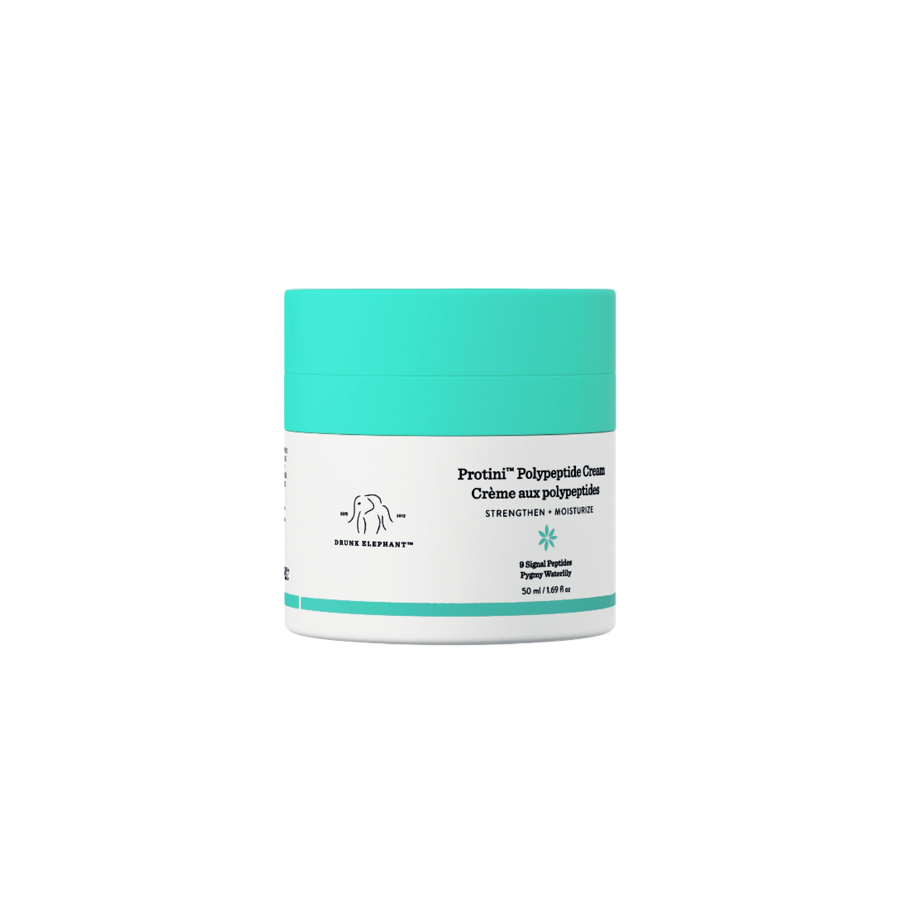
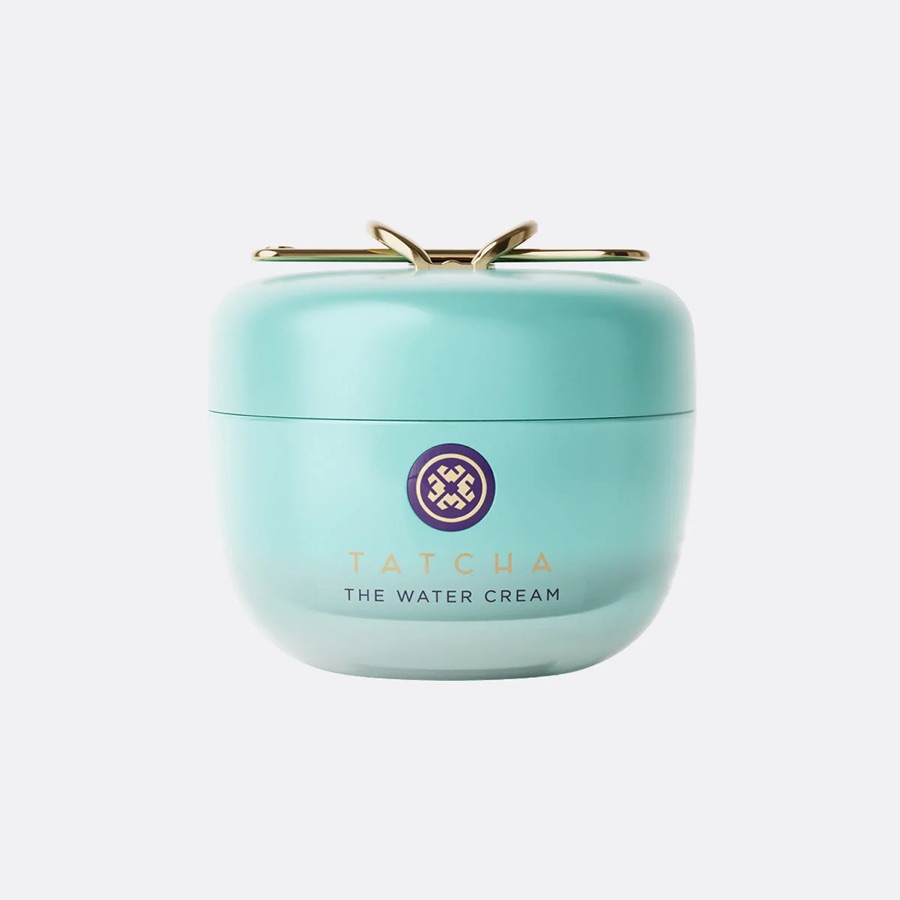
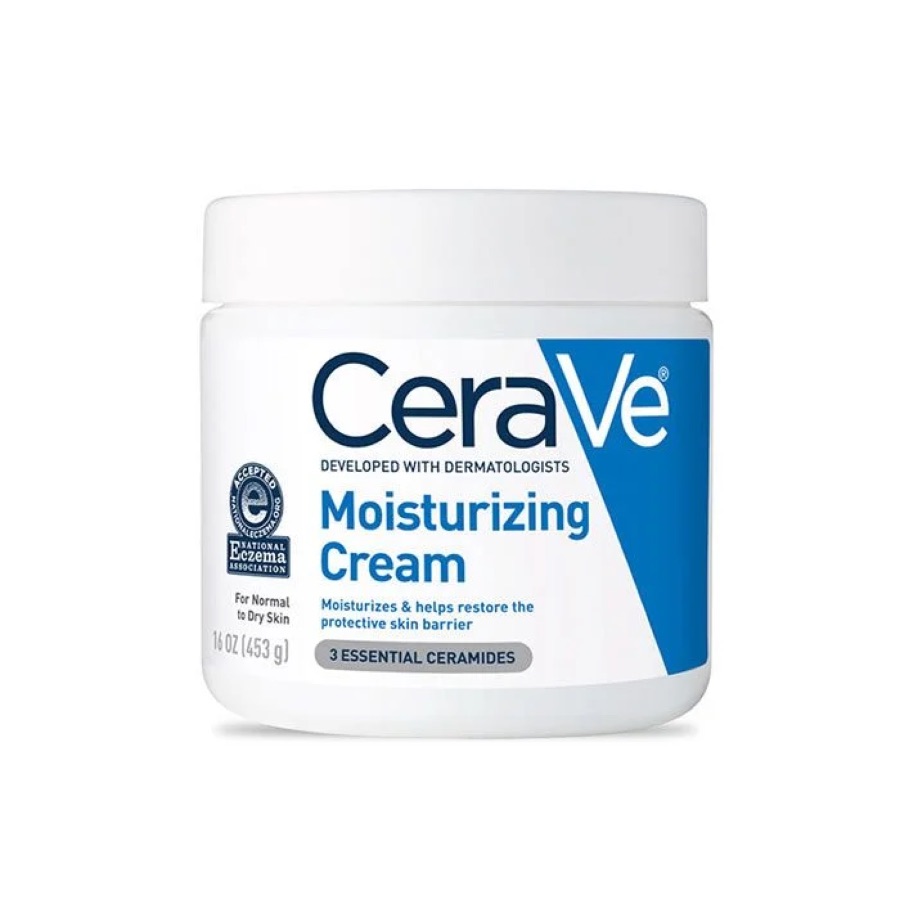
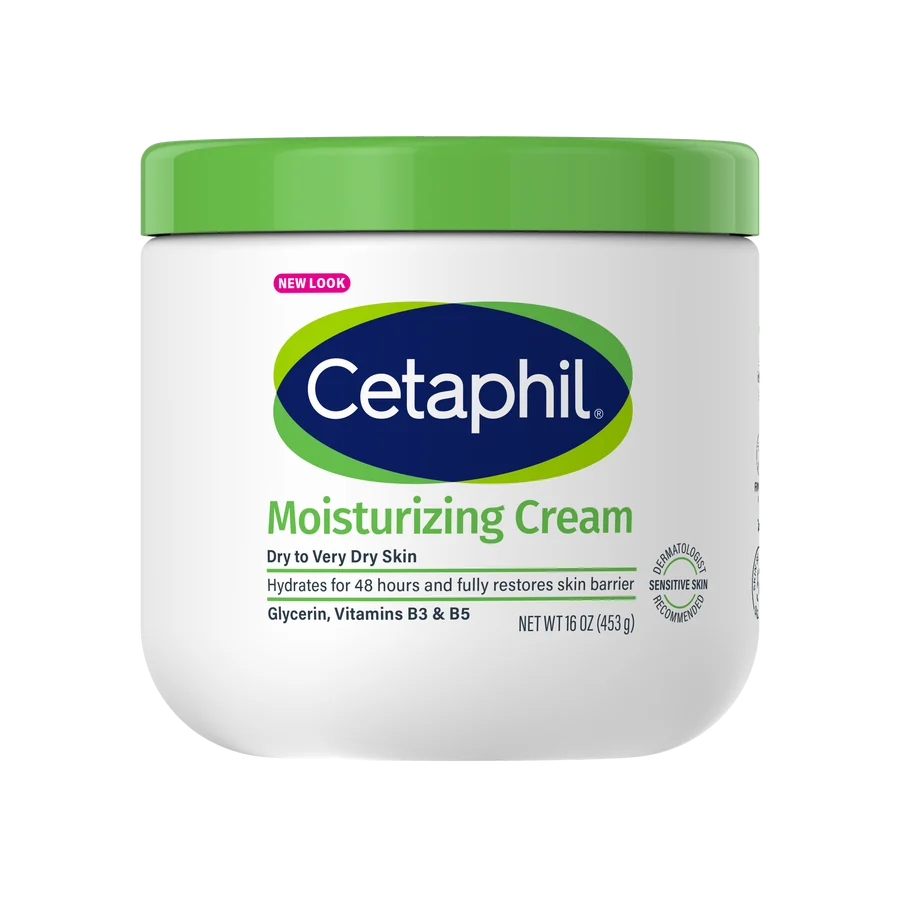
If you want to spend more, Tatcha's The Water Cream costs $74 for 50 ml and is another oil-free gel-cream, though it contains fragrance; we set it against Drunk Elephant's fragrance-free peptide cream in our Protini vs Water Cream comparison and our Protini review. For dry skin on a drugstore budget, the ceramide tub in our CeraVe vs Cetaphil comparison costs about a dollar an ounce and offers ceramides and cholesterol, like Water Bank, without the fragrance.
Our verdict
If your skin is oily, combination or reacts to fragrance, we would buy Clinique's Moisture Surge 100H, in the 125 ml jar and during a sitewide sale, because it is a well-made, fragrance-free gel that sinks in fast, sits well under makeup and lists its hyaluronic acid far higher than the cream named for it. We would not pay $48 for the 50 ml jar at full price after five years of price rises, and we would not expect it to be enough on its own for dry skin in winter, whatever the 100-hour claim says.
If your skin is normal to dry and scent doesn't bother you, Laneige's Water Bank Blue Hyaluronic Cream is the better buy: richer, cheaper per millilitre at every size, refillable, and identical to the cream sold in Seoul. Buy the 50 ml jar first, then refill it with pods or move to the jumbo jar if it suits you, and ignore the 'Blue Hyaluronic Acid' on the jar, because the glycerin, squalane and barrier lipids are what you are really paying for.
Questions people ask
Which is better, Clinique Moisture Surge or Laneige Water Bank?
Clinique Moisture Surge 100H is better for oily, combination or fragrance-sensitive skin, because it is an oil-free, fragrance-free gel; Laneige Water Bank Blue Hyaluronic Cream is better for normal to dry skin, because it is a richer cream with squalane, ceramide and cholesterol. Water Bank is also cheaper, at $38 against $48 for 50 ml on each brand's US site.
Is Clinique Moisture Surge good for oily skin?
Yes, it is one of the better choices for oily and combination skin, since Clinique describes it as oil-free and non-acnegenic and its texture is a light silicone gel. If you break out easily, start with the 30 ml jar before buying a big one.
Does Laneige Water Bank Cream have fragrance?
Yes, Laneige lists fragrance (parfum) 32nd of the cream's 38 ingredients, and its own FAQ says the cream has 'a light, fresh scent'. It isn't fragrance-free, even though Laneige describes it as sensitive-skin-friendly.
Does Moisture Surge really hydrate for 100 hours?
Clinique says it provides 100 hours of stabilizing hydration, based on its own clinical testing on small groups of women, but it doesn't publish the study. It is a light silicone gel, so people with dry skin may still want a richer cream on top.
Did Clinique change Moisture Surge?
Yes, Clinique replaced the Moisture Surge 72-Hour Auto-Replenishing Hydrator with the 100H version in early 2021, adding an aloe bioferment and new preservatives while keeping the same first six ingredients. Prices have risen since, from $41 to $48 for the 50 ml jar.
Is Laneige Water Bank the same in Korea and the US?
Yes, the ingredient list on Amorepacific's Korean shop matches Laneige's US list ingredient for ingredient, although the Korean name is Water Bank Blue Hyaluronic Moisture Cream. It is cheaper in Korea, at ₩42,000 (about $31.27) for 50 ml against $38 in the US.
Can you use Moisture Surge and Water Bank together?
Yes, both brands say their creams can be used morning and night, and a gel like Moisture Surge in the morning with a richer cream like Water Bank at night or on dry patches is a sensible split. Introduce one at a time so you can tell which one is responsible if your skin reacts.
How we put this together
We read each brand's own product pages and full ingredient lists, what buyers report in public reviews and forums, and the news coverage linked on this page. Prices are the brand's own list prices in the US on the date shown, unless the page names another shop. Nothing here is rated or scored, and no brand paid to appear.
Sources (15)
- Clinique US: Moisture Surge 100H Auto-Replenishing Hydrator (prices, sizes, ingredients, claims, rating)
- Clinique US: Moisture Surge 100H page, archived 2 February 2021
- The Moodie Davitt Report: Clinique reveals supercharged new formula for Moisture Surge 100h (March 2021)
- The Estée Lauder Companies: Clinique
- INCIDecoder: Clinique Moisture Surge 72-Hour Auto-Replenishing Hydrator ingredient list
- Laneige US: Water Bank Blue Hyaluronic Cream Moisturizer (prices, sizes, ingredients, claims, FAQ)
- Laneige US: Water Bank Blue Hyaluronic Cream page, archived 4 April 2022
- Laneige US: Water Bank Blue Hyaluronic Cream page, archived 22 February 2024
- Laneige US: Water Bank Blue Hyaluronic Cream page, archived 7 October 2024
- Laneige US: Water Bank Blue Hyaluronic Cream page, archived 9 January 2025
- Laneige US: Water Bank Blue Hyaluronic Cream page, archived 21 March 2025
- Amoremall (Amorepacific, Korea): Laneige Water Bank Blue Hyaluronic Moisture Cream 50ml (price, ingredients, study dates, rating)
- Amoremall (Amorepacific, Korea): Water Bank Blue Hyaluronic Moisture Cream refill 50ml
- Amorepacific: LANEIGE Water Bank launches 2023 worldwide campaign (March 2023)
- ExchangeRate-API: US dollar rates for 22 November 2026