If you want one bottle that most Sephora shoppers will be happy with, buy Haus Labs Triclone Skin Tech, the foundation the shop shows first and the one rivals are trying to unseat; choose Natasha Denona Hy-Glam if your undertone is hard to match, Huda Beauty Easy Blur if you want to spend under $40, Armani Luminous Silk for a glow on dry or normal skin, and the new Double Wear only after trying a sample, because its early reviews came largely from people who were sent it free.
- 01Best for natural medium coverageHaus Labs by Lady Gaga Triclone Skin TechThe foundation Sephora shows first, in 51 shades, and the one a rival called the bottle to beat.$52
- 02Best for a natural glowArmani Beauty Luminous SilkThe 26-year-old glow foundation, rebuilt with niacinamide, and the dearest bottle here at $69.$69
- 03Best for very long daysEstée Lauder Double WearThe only 36-hour claim among Sephora's bestsellers, in a new formula that divided its old fans.$52
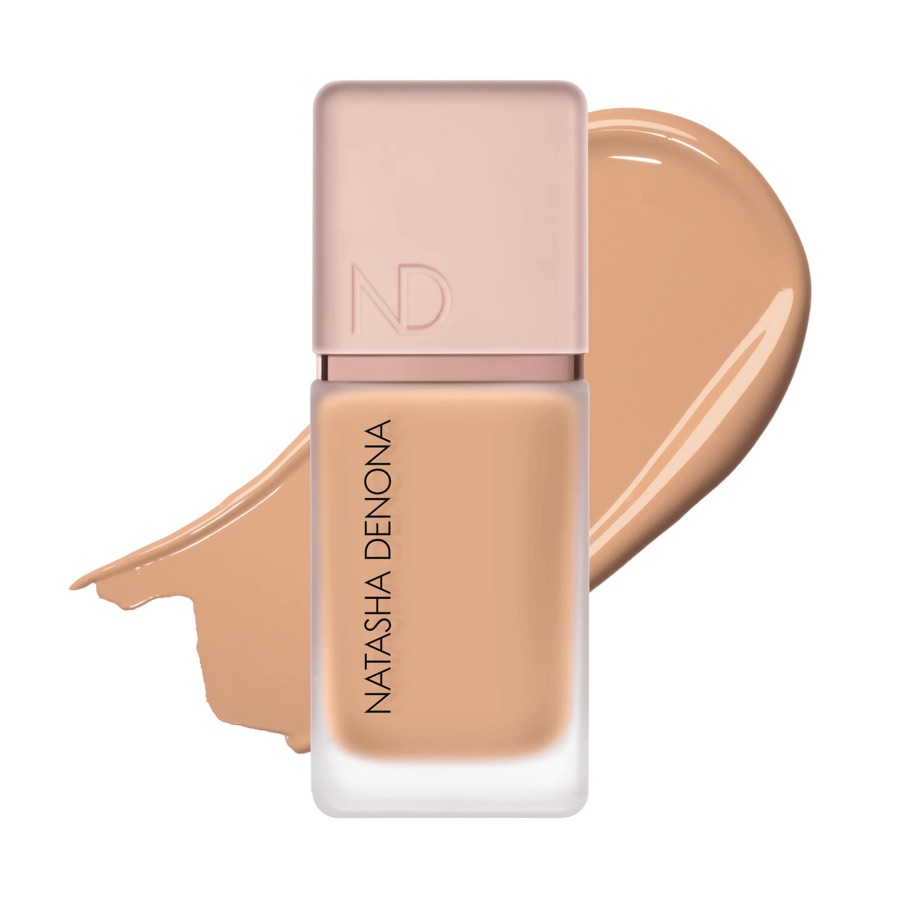
- 04Best for matching your undertoneNatasha Denona Hy-Glam FoundationFifty-two shades in four undertone families, matched shade for shade to the Hy-Glam Concealer.$52
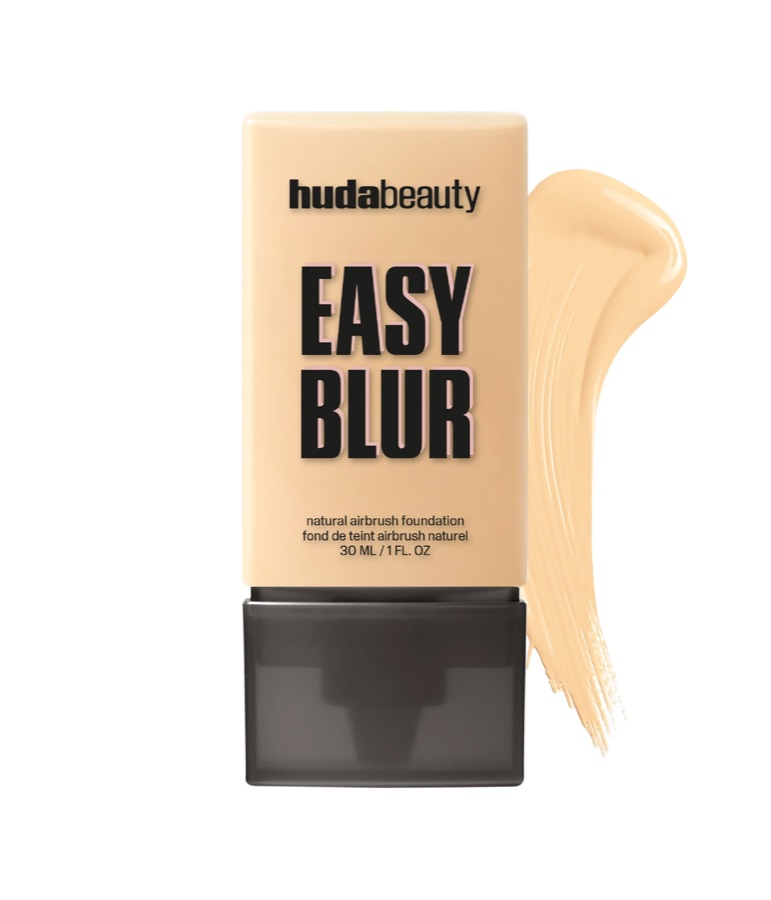
- 05Best under $40Huda Beauty Easy BlurThe cheapest millilitre of the five, at $1.23, with nine shades numbered 500 or deeper.$37
The newest foundations collected thousands of reviews from people who were sent them free, so read the dates and the small print before trusting a 4.5.
How we chose the five: Sephora's website refused our automated reader on 22 November, so we worked from what Sephora shows the public. When we checked that day, its foundation page opened with Haus Labs, the new Double Wear and Natasha Denona's Hy-Glam; we read the full shelf, with its Bestseller badges, ratings and review counts, in the copy archived on 20 April 2026, where all five of our picks carry the Bestseller badge and sit among the first 13 of 148 foundations; and we checked Glossy's report from February that Haus Labs's Triclone is the foundation a new rival would have to unseat to become Sephora's No. 1. Each pick carries a “Best for” label for the job it does better than the others.
A year of relaunches on the foundation shelf
Sephora's foundation shelf has rarely changed as much in one year as it did in 2026, because two of the most famous bottles on it were replaced by new formulas within weeks of each other: Armani relaunched Luminous Silk, the foundation it first sold in 2000, at the end of 2025, and Estée Lauder replaced Double Wear, on sale since 1997, with a 36-hour formula that went on sale in Britain on 4 February and in America days later. Both were wearing Sephora's Bestseller badge by April, alongside Haus Labs, the Lady Gaga brand whose Triclone foundation, launched in 2022, led the shelf in April and again in November, and two newer serum foundations, Natasha Denona's Hy-Glam and Huda Beauty's Easy Blur.
The relaunches came with the marketing tool that now shapes every big foundation launch, thousands of free bottles sent to reviewers before and after the product went on sale, and that has changed what the stars beside a new foundation mean. A foundation that has been on sale for four years and one that has been on sale for ten weeks can carry similar ratings for very different reasons, which is why each pick below says who wrote its reviews as well as what they said.
The new Double Wear collected more Sephora reviews in ten weeks than Haus Labs did in three and a half years
Sephora's own shelf page, as archived on 20 April 2026, showed the new Double Wear with 7,828 reviews and 4.47 stars, about ten weeks after it went on sale, while Haus Labs's Triclone, on sale since September 2022, had 5,346 reviews and 4.00 stars, and Armani's relaunched Luminous Silk, out since the end of 2025, had 2,739 and 4.46. Our Double Wear vs Fenty face-off found the likely reason on Ulta's listing: 2,444 of the 2,663 reviews posted before the new formula went on sale, 92%, came from people who received it free, and the pre-launch reviews averaged 4.61 stars, while the 670 reviewers after March who said their bottle was not a gift averaged 2.19.
Free bottles are not only an Estée Lauder habit. On 22 November, four of the five newest reviews shown on Haus Labs's own page for Triclone carried the label “Incentivized review”, beside a headline score of 4.7 from 18,873 reviews, against the 4.00 Sephora showed in April. The lesson is to read the date and the small print on any foundation review in 2026: a rating built mostly before a product went on sale tells you how it looked on the first morning, not whether people bought it again.
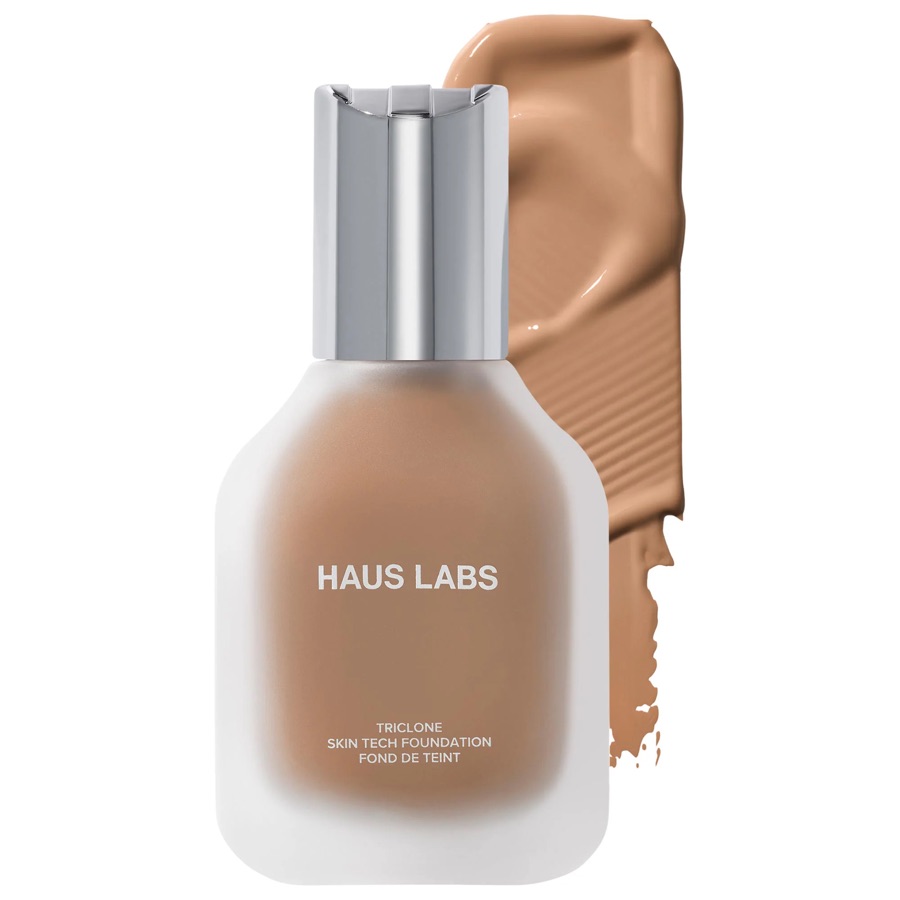
Haus Labs by Lady GagaTriclone Skin Tech
Triclone Skin Tech Medium Coverage Foundation with Fermented Arnica
- Price$52
- Size30 ml (1 fl oz)
- Works out at$1.73 per ml
- Shades51
- FinishNatural
Haus Labs US, 22 Nov 2026; also $52 on Sephora's shelf page
See it on hauslabs.com Haus Labs Triclone Skin Tech →
Image: Haus Labs by Lady Gaga, from sephora.com
Triclone Skin Tech is a medium-coverage liquid foundation in 51 shades, made in Korea for the American brand Lady Gaga co-founded, and it led Sephora's foundation shelf both in the April archive and when we checked on 22 November, four years after its launch on 8 September 2022. Haus Labs describes it as a weightless, buildable formula with a “natural, second-skin effect” that can be pushed from medium to full coverage, and pitches it at every skin type, including acne-prone, sensitive, mature, dry and oily, which is a wide promise.
We would put it first for most shoppers who want a foundation that looks like skin rather than makeup, because it has stayed at the top of the shelf through four years and a wave of relaunches, and because it is the cheapest of the five to match properly at home.
What it costs, and the $12 way to try it
A 30 ml bottle costs $52 on Haus Labs's own site and on Sephora's shelf, $1.73 a millilitre, the same as Double Wear and Natasha Denona. There is no mini, but Haus Labs sells a Discovery Set of five deluxe samples from one of six shade families for $12, and on its own site offers what it calls a 100% Shade Match Guarantee, so we would start with the set rather than a $52 bottle, especially if you sit between two families.
Fifty-one shades, and new names for the undertones
The range runs from 000 Fair to 590 Deep in six families, with seven Fair shades, eight Light and nine each in Light Medium, Medium, Medium Deep and Deep, so the deep end is as fully stocked as the middle. In 2026 Haus Labs relabeled the undertones Golden, Peach, Neutral, Rosy and Olive, and its page is careful to say that “the shade number and formula remain the same”, so anyone who already knows their number can ignore the new words. Sephora's shelf lists the foundation as a Sephora exclusive, so in America it is sold only there and on Haus Labs's own site.
What's in it
The base is a silicone-and-water emulsion, led by water, diphenylsiloxy phenyl trimethicone and phenyl trimethicone, with isododecane for spread and glycerin for slip, and Haus Labs says it carries more than 20 skincare ingredients, among them hydrolyzed hyaluronic acid, squalane, a peptide and fermented arnica flower extract, its signature ingredient, which the brand says helps visibly reduce the look of redness, a claim about appearance rather than a treatment. In its week-long study of 185 people, 96% agreed their skin tone looked more even straight after applying it and 95% that it felt weightless after 12 hours, and it calls the formula waterproof, sweat-proof, transfer-proof, humidity-proof and non-comedogenic; Sephora's April shelf showed its photo with an Allure 2025 Best of Beauty badge.
From an Amazon flop to the top of the shelf
Haus Laboratories launched in September 2019 as a line sold only through Amazon, then relaunched as Haus Labs by Lady Gaga at Sephora on 9 June 2022, with every product reformulated, and added Triclone three months later as its first complexion range, according to Wikipedia's account of the El Segundo, California company. In February, when m.ph by Mary Phillips launched a $49 serum foundation with the stated aim of becoming Sephora's No. 1, Glossy reported that it would have to unseat Triclone to get there.
Where it falls short
Its Sephora rating is the lowest of our five, 4.00 from 5,346 reviews in the April archive, and the gap between that figure and the 4.7 on Haus Labs's own site is a reminder that where a review is written changes what it says. We read the lower figure as the more useful one, because it has been built up over four years rather than in a launch rush.
The finish is natural and slightly luminous, so anyone who wants a flat matte that holds through a 14-hour day should look at Double Wear, and anyone with very dry skin should prepare it with a richer moisturizer or start with Natasha Denona's serum formula. The brand's claim that it suits every skin type is a hope rather than a guarantee, which is what the $12 set is for.
Our take
Buy it if you want medium coverage that looks like skin and will spend $12 on the Discovery Set to find your number, because it is the foundation Sephora's shoppers keep returning to; a reviewer on Haus Labs's own site wrote on 22 November, in a review not marked as incentivized, “I use this foundation in my bridal kit and recommend it to everyone.” Skip it if you need a hard matte finish or the longest wear on the shelf.
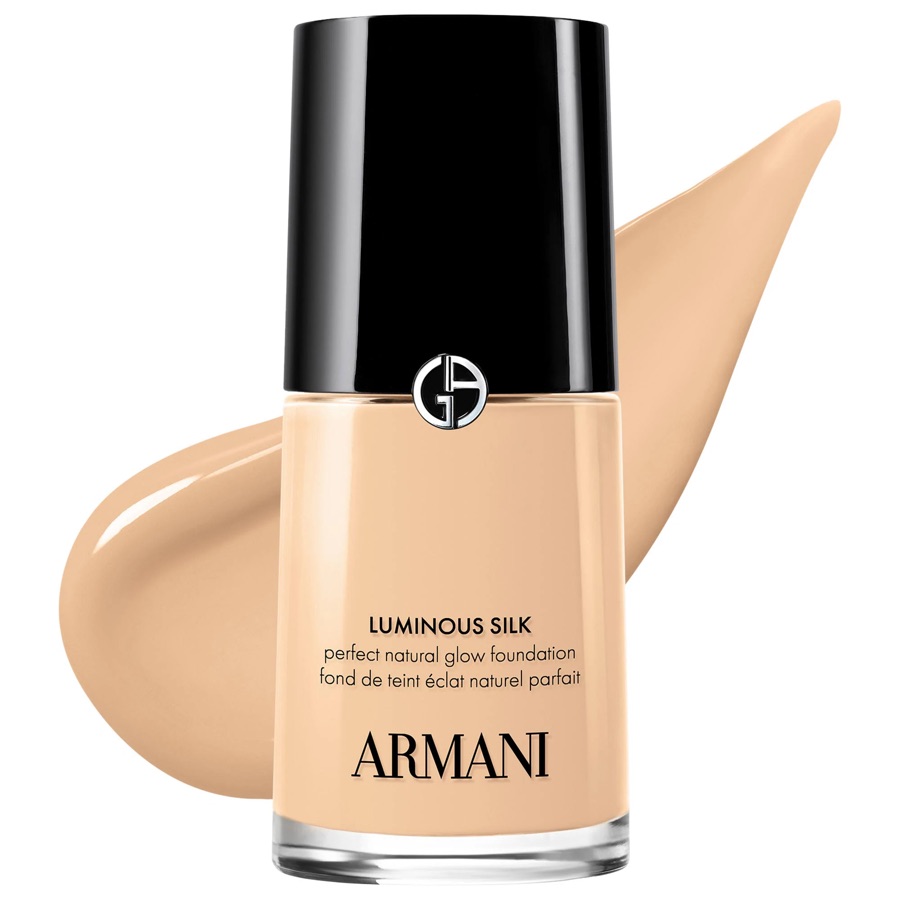
Armani BeautyLuminous Silk
Luminous Silk Natural Glow Blurring Liquid Foundation with 24 Hour Wear
- Price$69
- Size30 ml (1 fl oz)
- Works out at$2.30 per ml
- Shades44
- FinishNatural glow
Nordstrom US, 22 Nov 2026, and Sephora's shelf page ($69, or $48 for a mini); Armani's own US site turns away automated readers
Image: Armani Beauty, from sephora.com
Luminous Silk is the foundation makeup artists reached for when they wanted skin to look lit from within, and Armani's relaunch at the end of 2025 kept the idea while changing what is inside: it is now sold as Luminous Silk Natural Glow Blurring Liquid Foundation with 24 Hour Wear, in 44 shades, with medium, buildable coverage and a natural glow. Sephora's archived April shelf showed it second only to Haus Labs, with its mini fourth, so between them the two sizes took two of the first four places.
We would choose it for normal, dry and combination skin that wants a satin glow rather than a flat finish, and for people who never wore the old version, because a reformulation is always hardest on the loyalists who knew the original.
What it costs
It costs $69 for a 30 ml bottle at Nordstrom and on Sephora's shelf, $2.30 a millilitre, the dearest of the five and almost twice Huda's figure, and Sephora also sells a mini for $48, which keeps the cost of trying it lower without making it cheap. Armani's own US site turns away the automated readers we use to check prices, so those two shops are our sources. Nordstrom's listing says the bottle is made in France and recommends it for combination, normal and dry skin.
What changed after 25 years
The original launched in 2000 and stayed largely unchanged for a quarter of a century, which is why Marie Claire's review of the new one, on 22 December 2025, asked why Armani would mess with success. Armani's head of makeup research, Rena Hayashi, told Who What Wear in January 2026 that the old “micro-fil” pigments gave way to what Armani calls liquid silk technology, “a unique oil blend with advanced fillers”, with glycerin and niacinamide added, a green pigment to serve olive undertones and an ultramarine blue in deeper shades.
Nordstrom's listing credits the niacinamide with helping even skin tone, refine texture and boost luminosity, and calls the formula transfer-resistant and dermatologist-tested. Who What Wear's writer found the new version smoother, with a slightly stronger powdery scent that faded within minutes, and the makeup artist Carolina Gonzalez told the magazine that it no longer picked up texture the way the old one could.
Who makes it
Armani Beauty is Italian by name and design but has been made and sold by L'Oréal under a licence from Giorgio Armani since 1988, a deal the two renewed in March 2018 to run until 2050, when the line already brought L'Oréal more than €1 billion a year. Luminous Silk is the flagship of that business, which is why its relaunch was a bigger gamble than it looked.
Where it falls short
Price is the first objection, because $69 buys a lot of foundation elsewhere on this list, and the $48 mini does not soften that much. The second is the reformulation itself: published reviews of the new formula have been warm, but a 25-year-old favorite rebuilt from new pigments will not feel the same to everyone who loved it, so anyone attached to the 2000 formula should try the new one before buying a full bottle.
Its 44 shades are also fewer than Haus Labs's 51 or Natasha Denona's 52, and although Armani says it reworked the pigments in its deeper shades, the range offers less choice at the deep end than either.
Our take
Buy Luminous Silk if you want a glow the matte foundations here cannot give, your skin is normal to dry, and you can afford $69; buy the $48 mini first if you wore the old one. Skip it on a tight budget or with oily skin. Its admirers include the celebrity makeup artist Kelli Anne Sewell, who called it “Probably my longest, most reliable relationship that I have with a product.”
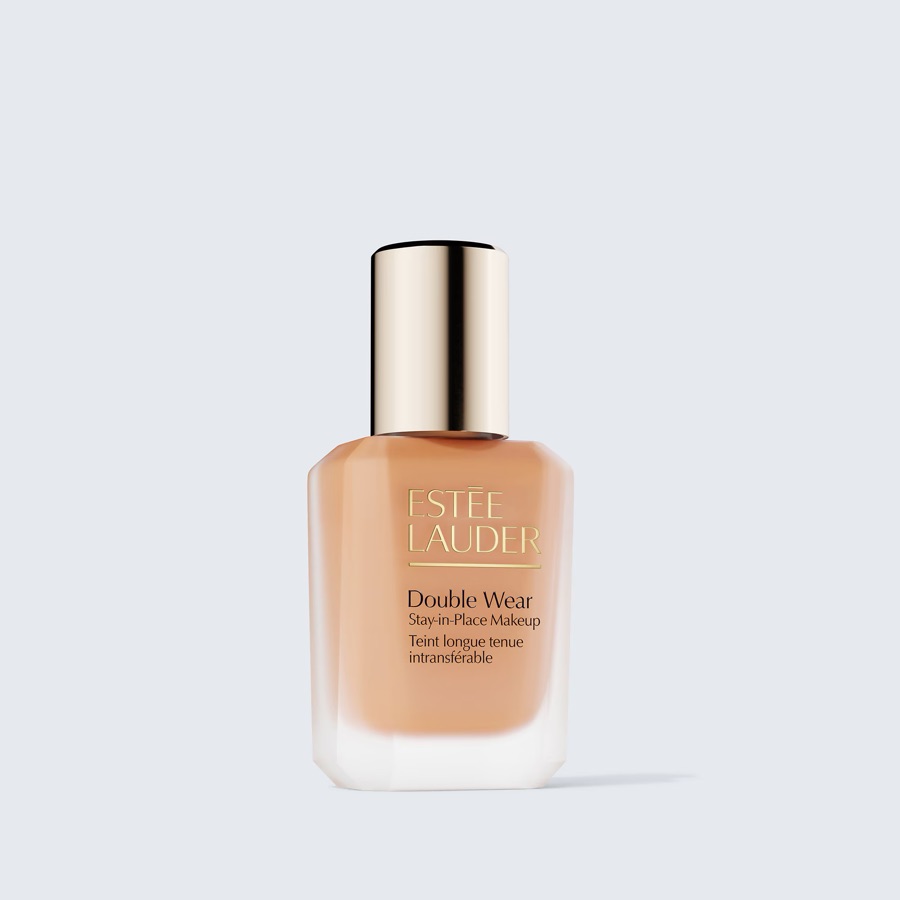
Estée LauderDouble Wear
Double Wear Stay-in-Place Longwear Matte Foundation (2026 formula)
- Price$52
- Size30 ml (1 fl oz)
- Works out at$1.73 per ml
- Shades70
- FinishNatural matte
Ulta and Sephora US, 22 Nov 2026; same $52 on Estée Lauder US (page archived 8 Aug 2026). 70 shades on Estée Lauder's site, 57 at Ulta and Sephora
See it on esteelauder.com Double Wear vs Pro Filt'r →The best foundations for oily skin →
Image: Estée Lauder, from esteelauder.com
Double Wear is the foundation people buy for weddings, long shifts and humid holidays, and Estée Lauder's 2026 version, sold at Sephora as Double Wear Stay-in-Place Lightweight Matte Foundation with 36H Wear, keeps that job description while promising more: 36 hours of color-true wear, against the 24 of the formula it replaced. When we checked on 22 November, it sat at the top of Sephora's foundation page beside Haus Labs and Natasha Denona.
We still name it for the very long day, because no other bestseller here even claims to last that long, but we would not buy a full bottle without a sample, because the people who bought it after launch have been far less kind than the people who were sent it.
What it costs, and where the shades are
It costs $52 for 30 ml, $1.73 a millilitre, the same price as before the change. Estée Lauder's own US site lists 70 shades against the 57 sold at Sephora, so 13, including some of the lightest and deepest, are sold only by the brand, as we set out in our Double Wear vs Fenty face-off. The shade names follow a code worth learning: the number gives depth from 0 to 9 and the letter the undertone, C for cool, N for neutral and W for warm.
What changed in February
Estée Lauder put the new Double Wear on sale in Britain on 4 February 2026, saying that “The New Double Wear is everything you love about the original, now with even better make-up and skin care benefits”, according to Cosmetics Business. It is built on what the brand calls Polymer Mesh Matrix Technology, an invisible net it says holds pigment in place, and a Double Balancing Complex of niacinamide and brown algae extract, with glycerin and hyaluronic acid, and Estée Lauder claims 72 hours of moisture as well as 36 hours of wear.
Our face-off compared the two ingredient lists and found that only seven of the old formula's 20 non-pigment ingredients survive in the new one, which is why longtime users should treat it as a different foundation with a familiar name rather than as an update.
What buyers say
The published reviews at launch were warm, but the buyers who wore it through a working week have been harsher. On Ulta, according to our face-off, the 1,755 reviews posted from March to mid-November average 2.54 stars, 62% of them mention the original or the change, 17% say it turned orange or darker and 21% call it sticky or tacky, while Estée Lauder's own page slipped from 4.6 stars in February to 4.4 by August.
It has defenders too, mostly people who found the old formula heavy and prefer the new one for being less cakey, so the reformulation is a loss mainly for the oily-skinned loyalists who were Double Wear's core audience.
Where it falls short
The people Double Wear was built for, longtime users with oily skin who needed a finish that would not move, are the people most disappointed by the new formula, and their complaints are specific: stickiness, patchiness and color that shifts as the day goes on. The glass bottle also still has no pump, which Estée Lauder sells separately.
Two of the deepest shades on Estée Lauder's own site, 8W1 Warm Espresso and 9C1 Fudge, are not sold at Sephora, so deep-skinned shoppers may need to order from the brand.
Our take
Buy the new Double Wear only if your day really runs past 14 hours and you can test it first, set with powder; it remains the only bestseller here that claims to last a day and a half. Skip it if you are trying to replace a bottle of the original, which Estée Lauder was still listing on its own site as an “Original Formula” in May, according to our face-off, and see our list of the best foundations for oily skin for long-wear alternatives.
Natasha DenonaHy-Glam Foundation
Hy-Glam Foundation
- Price$52
- Size30 ml (1 fl oz)
- Works out at$1.73 per ml
- Shades52
- FinishRadiant, blurring
Natasha Denona US, 22 Nov 2026; also $52 on Sephora's shelf page
Image: Natasha Denona, from natashadenona.com
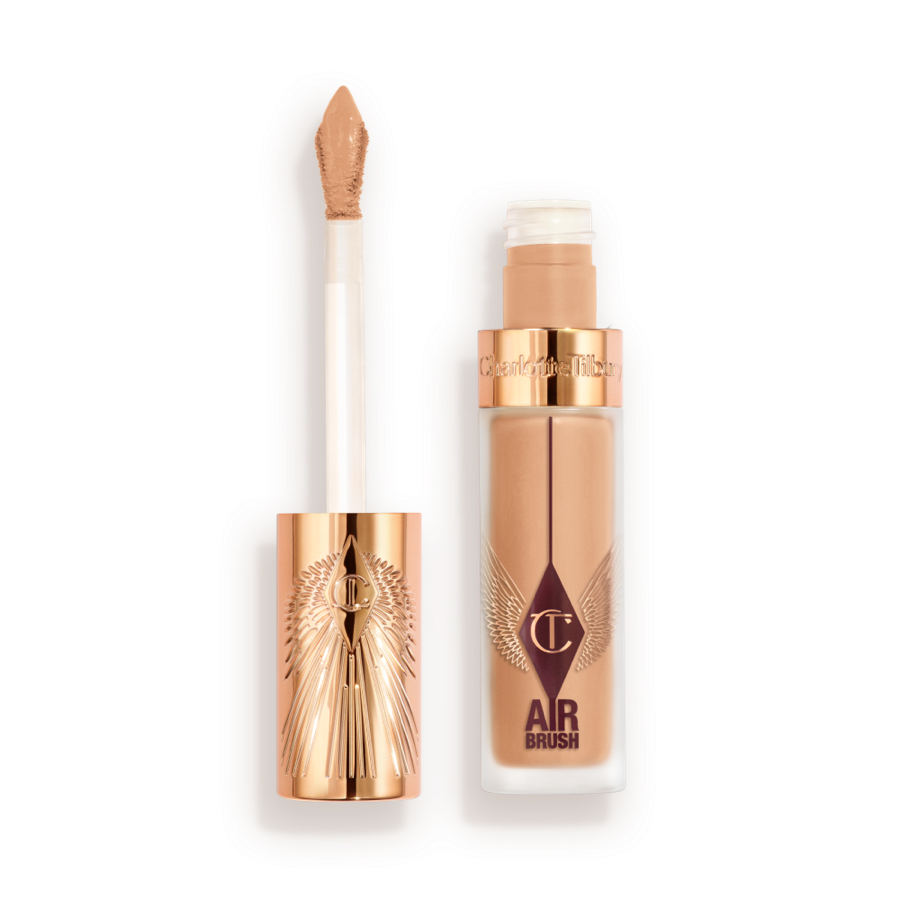
Hy-Glam Foundation is a medium-buildable serum foundation with a radiant, blurring finish from Natasha Denona, the Croatian-born makeup artist whose company is registered in Tel Aviv, and it was one of the three foundations at the top of Sephora's foundation page when we checked on 22 November, having already carried the Bestseller badge in April. Natasha Denona says she spent more than four years in the lab on it, aiming for “the perfect radiant foundation for all skin types”, and it reached her own shop in August 2025.
We picked it for matching undertones because its 52 shades are built from four undertone families, rosy, neutral, yellow and peach, and their combinations at every depth, and because each one is matched to a shade of the brand's Hy-Glam Concealer, which is on our list of Sephora's best concealers.
What it costs
It costs $52 for 30 ml at Natasha Denona and on Sephora's shelf, $1.73 a millilitre, the same as Haus Labs and Double Wear, and the brand's US shop lists it only in the full size. The bottle is made in Italy, according to the brand's page, which also lists it as vegan, cruelty-free and talc-free.
Fifty-two shades, and how they are named
Each shade pairs an undertone code, R for rosy, N for neutral, Y for yellow and P for peach, alone or combined, with a depth number, and the brand spells each one out, so N8 is Medium Neutral and NR15 Deep Neutral Rosy. Eighteen of the 52 carry Tan Dark, Dark or Deep in their names, including rosy and peach deep shades that many ranges skip, which makes this the bottle on our list most likely to suit someone whose skin is deep and pink-toned, or yellow-toned at any depth.
What's in it
Natasha Denona says the foundation uses Japanese amino acid pigments for a flexible, second-skin finish and is “powered by advanced Korean technology” with Italian manufacturing, with bamboo powder and microalgae that it says balance excess oil so the finish stays radiant on dry to oily skin, and grape pomace for hydration. It claims up to 18 hours of creaseless, self-setting wear and calls the formula hypoallergenic and non-comedogenic, and unlike the brand's concealer, whose ingredient list includes fragrance, the foundation's list on the brand's page shows none.
Who makes it
Natasha Denona was born in Croatia and raised in Germany, worked as a dancer and model, and spent about 25 years as a makeup artist before starting her brand with eyeshadows, according to her own site; her company, Natasha Denona Makeup Ltd., is incorporated in Israel with an office in Tel Aviv, according to the privacy policy on its Israeli site.
Where it falls short
It is the least proven of the five: Sephora's April shelf showed 1,405 reviews, against 5,346 for Haus Labs, and the 4.66 stars from 1,370 reviews on the brand's own page come from its own customers, so there is less independent evidence about how it wears over a long day.
A radiant serum foundation is also not the obvious choice for very oily skin, whatever the bamboo powder promises, and at $52 with no smaller size, a wrong shade is an expensive mistake, which is why we would use the brand's online shade finder, or ask for a sample at a Sephora counter, before buying.
Our take
Buy Hy-Glam if your undertone is the problem, rosy, peach or yellow, light or deep, and you want a radiant finish that looks like skin, and pair it with the matching concealer if you already use one. Skip it if your skin is very oily or you want a matte finish, where Double Wear and Huda's Easy Blur are built for the job.
Huda BeautyEasy Blur
Easy Blur Natural Airbrush Foundation with Niacinamide
- Price$37
- Size30 ml (1 fl oz)
- Works out at$1.23 per ml
- Shades38
- FinishNatural, blurred
Huda Beauty US list price, 22 Nov 2026, also $37 on Sephora's shelf page (Huda's own site had it at $22.20 in a Cyber sale that day)
Image: Huda Beauty, from hudabeauty.com
Easy Blur is Huda Beauty's lightweight foundation with 1.5% niacinamide and silica, which Huda pitches as a “real-life filter” with medium, buildable coverage and an airbrushed finish. It carried Sephora's Bestseller badge in April, thirteenth on the shelf with 4,922 reviews, and Sephora listed it as a Sephora exclusive, so outside Huda's own site it is a Sephora product in America.
We picked it as the best foundation under $40 because it is the cheapest of the five by the millilitre and has a wide, deep-reaching shade range, but it suits normal and oily skin far better than dry, as its own reviewers make clear.
What it costs
A 30 ml tube costs $37 on Huda Beauty's US site and on Sephora's shelf, $1.23 a millilitre, nearly half Armani's $2.30, and a 10 ml mini costs $15, or $1.50 a millilitre, a sensible way to test a shade. On 22 November Huda's own site was selling the full size for $22.20 in a Cyber sale, so it is worth checking the brand's shop before paying full price.
Thirty-eight shades, nine of them deep
The range runs from Milkshake 100B to Espresso 600N, named after desserts and coffees, numbered by depth and lettered for undertone, and nine of the 38 shades are numbered 500 or above, a deeper end than many foundations at this price. Huda's product description still says 29 shades, a leftover from the launch range, but its shade menu lists 38.
What's in it
The formula is a classic silicone base, led by water, cyclopentasiloxane, isododecane and ethylhexyl palmitate, with niacinamide tenth in the list and silica among the powders that give the blur, and Huda calls it fragrance-free, alcohol-free and non-comedogenic, with 95% of 54 people in its own test agreeing it gave a filtered finish. Huda Kattan founded the brand in 2013, starting with false eyelashes, and in June 2025 bought back the minority stake TSG Consumer Partners had held since 2017, making it fully founder-owned again, as Cosmetics Business reported, so Easy Blur is the only pick here from a brand based outside America and Europe.
What buyers say
Its Sephora rating in April, 4.53 from 4,922 reviews, was the highest of our five, and its own site shows 4.9 from 2,005, but the first reviews Huda's page shows are mixed. “This foundation does exactly what it says! It blurs to perfection!” wrote one buyer in December 2025, while another, who gave it one star in January 2026, wrote that “The Easy Blur Foundation, despite being marketed for mature skin, made my lines and pores significantly more visible.”
Where it falls short
This is not a foundation for dry, lined or textured skin: a blurring silicone formula packed with powders can settle into lines and cling to flakes, which is exactly the complaint of the one-star review quoted above, and Huda's own pictures promise 16 hours of wear that its product description does not repeat, so we would not count on it for a very long day.
Huda's own site also cuts its prices hard, as the $22.20 Cyber price on 22 November showed, which makes Sephora's $37 look less like a bargain than the per-millilitre sum suggests.
Our take
Buy Easy Blur if your skin is normal, combination or oily, you want a blurred, natural finish and you would rather spend $37 than $52, and start with the $15 mini if you are unsure of the shade. Skip it if your skin is dry or flaky, or if you want a foundation that will survive a very long day.
Not sold at Sephora: two cheaper bottles worth knowing
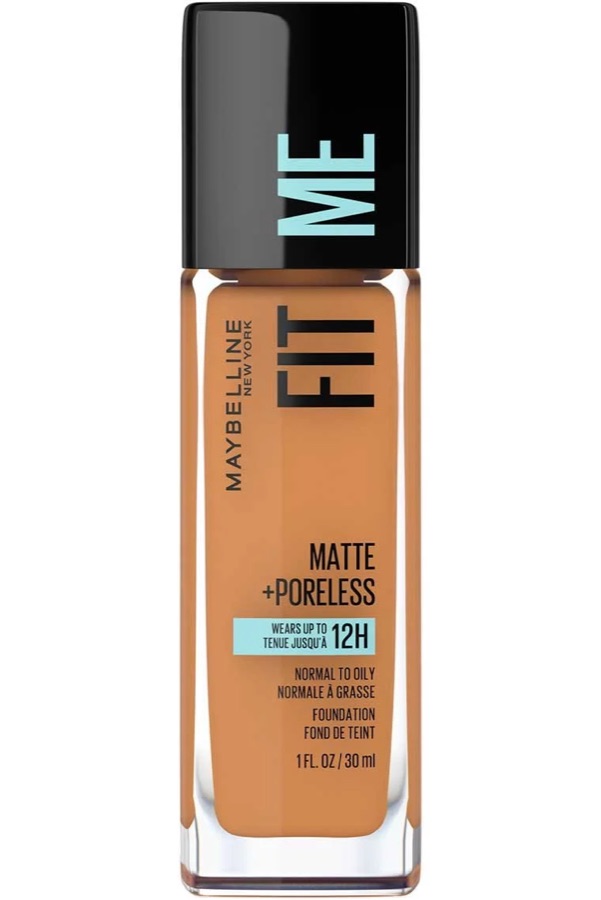
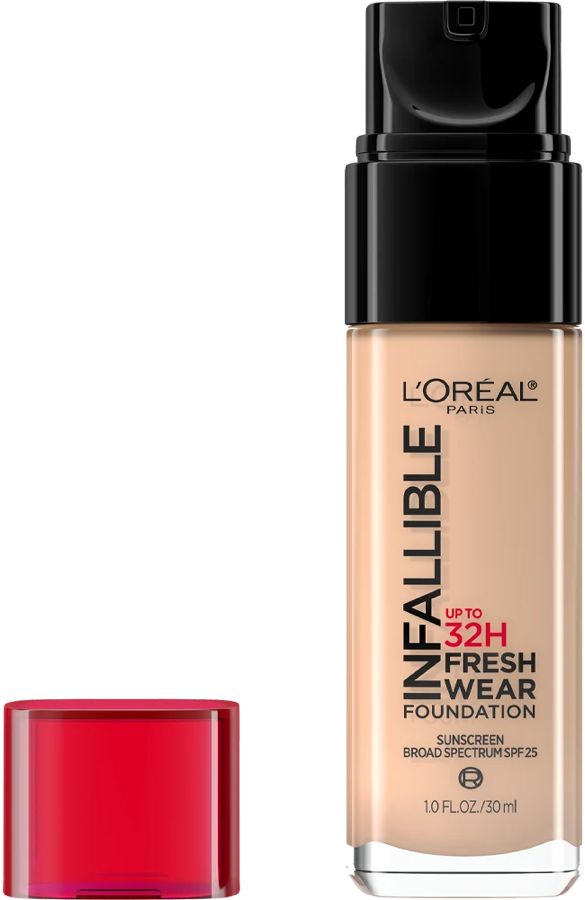
Sephora does not carry the big drugstore brands, and two of their foundations cost a fraction of anything above: Maybelline's Fit Me Matte + Poreless, at $11.99 for 30 ml in 40 shades, and L'Oréal Paris's Infallible 32 Hour Fresh Wear, at $18.99 for 30 ml with SPF 25. We weigh both against prestige bottles in our list of the best foundations for oily skin, and Fit Me against India's Lakmé 9to5 in a face-off of its own.
How they compare
| Haus Labs Triclone | Armani Luminous Silk | Estée Lauder Double Wear | Natasha Denona Hy-Glam | Huda Easy Blur | |
|---|---|---|---|---|---|
| Place on Sephora's shelf, April 2026 | 1 | 2 (mini 4) | 7 | 10 | 13 |
| Price and size | $52 for 30 ml | $69 for 30 ml | $52 for 30 ml | $52 for 30 ml | $37 for 30 ml |
| Price per ml | $1.73 | $2.30 | $1.73 | $1.73 | $1.23 |
| Cheapest way to try | $12 set of five samples | $48 mini | Two deluxe samples for $15 (Estée Lauder, August) | Full size only | $15 for 10 ml |
| Shades | 51 | 44 | 57 at Sephora, 70 at Estée Lauder | 52 | 38 |
| Coverage and finish | Medium to full, natural | Medium, natural glow | Medium to full, matte | Medium, radiant | Medium, blurred |
| Wear claim | Waterproof, all day | 24 hours | 36 hours | 18 hours | 16 hours, on Huda's images |
| Sephora rating, April 2026 | 4.00 (5,346 reviews) | 4.46 (2,739) | 4.47 (7,828) | 4.45 (1,405) | 4.53 (4,922) |
| Rating on the brand's own site | 4.7 (18,873) | Not available to us | 4.4 (9,423, August) | 4.66 (1,370) | 4.9 (2,005) |
| Brand from | US (made in Korea) | Italy (L'Oréal; made in France) | US | Israel (made in Italy) | UAE |
Prices from the brands' own US sites and Nordstrom on 22 November 2026, matching Sephora's shelf page. Shelf places, ratings and review counts are from Sephora's foundation page as archived on 20 April 2026, in the order Sephora shows by default; all five carried its Bestseller badge. Estée Lauder's August rating and sample offer are from our Double Wear vs Fenty face-off.
Three of the five cost exactly $52, so the real difference is how cheaply you can try them
Haus Labs, Double Wear and Natasha Denona all charge $52 for 30 ml, $1.73 a millilitre, which means the price on the shelf tells you nothing about which is the better buy; what differs is the cost of finding out whether the shade and finish work for you. Haus Labs's $12 Discovery Set gives five deluxe samples and Estée Lauder sold two deluxe Double Wear samples for $15 this summer, while Natasha Denona sells the foundation only in its full size, so a wrong shade costs $52.
At the ends of the range the gap is wider than it looks. Huda's Easy Blur costs $1.23 a millilitre in its full size and $1.50 in its $15 mini, while Armani's Luminous Silk costs $2.30 a millilitre, so the price of a 30 ml bottle of Armani buys 56 ml of Easy Blur, and Armani's $48 mini costs only $21 less than the full bottle. Someone who gets through a bottle every three months would spend $148 a year on Huda, $208 on any of the three $52 bottles and $276 on Armani.
Which of the five suits your skin?
Start with your skin type, because it rules out more than budget does. If your skin is oily or combination and you want matte, choose between Huda's Easy Blur and the new Double Wear, the first for an ordinary day and the second for a very long one; if it is normal to dry and you want it to look like skin, Haus Labs, Armani and Natasha Denona are built for you, Armani the most radiant, Natasha Denona the easiest to match and Haus Labs the most forgiving. Say your T-zone shines by lunch but your cheeks feel tight by evening: Haus Labs is the safest first bottle, because its medium coverage can be pressed thin on the cheeks and built up on the nose.
Then try before you commit, which three of the five let you do for $15 or less, and match on your jaw in daylight rather than on the back of your hand. A foundation that oxidizes, or turns slightly darker as it dries, will look different at lunchtime than at the counter, so wear a sample for a full day before you decide.
The ones that nearly made it
m.ph by Mary Phillips's Le Skin Weightless Serum Foundation, launched in February at $49 with 2% niacinamide and 35 shades, was already fifth on Sephora's April shelf, and its maker's stated aim, according to Glossy, is to become Sephora's No. 1; we would like another season of reviews before ranking it above a proven bottle. Rare Beauty's True to Myself, sixth at $38 with 4.70 stars from 2,121 reviews in April, is the strongest alternative to Huda under $40, and Sephora Collection's Best Skin Ever, third at $24, is the cheapest bestseller on the shelf, though its 3.72 stars were the lowest of the first ten.
Fenty Beauty's Pro Filt'r Fluid Flex, which replaced Soft Matte on 4 September at $48 in 50 shades, arrived after the April snapshot, so we could not judge where it sits among Sephora's bestsellers; our face-off with Double Wear found its paying buyers on Ulta far happier with it than Double Wear's, and it is worth a look for neutral and warm skin at any depth.
Our verdict
If we were sending a friend into Sephora with one name, it would be Haus Labs Triclone Skin Tech, with the $12 Discovery Set first: it leads the shelf four years after its launch, its 51 shades cover deep skin as fully as the middle, and its modest Sephora rating has been earned slowly by people who wear it. Natasha Denona's Hy-Glam is the pick for anyone whose undertone is hard to match, and Huda's Easy Blur the best value for oily and combination skin at $1.23 a millilitre.
The two famous relaunches are harder calls: Armani's new Luminous Silk is a lovely glow foundation for people who never knew the old one and can afford $69, and the new Double Wear still makes the longest promise on the shelf, but the buyers who paid for it have been far less kind than the ones who were sent it, so we would not buy it without a sample, or at all if what you want is the bottle you used to own.
Questions people ask
What is the best-selling foundation at Sephora?
Haus Labs Triclone Skin Tech Medium Coverage Foundation leads Sephora US's foundation shelf, and Glossy reported in February 2026 that it is the foundation a rival would have to unseat to become Sephora's No. 1. On 22 November 2026 Sephora's foundation page opened with Haus Labs, the new Estée Lauder Double Wear and Natasha Denona's Hy-Glam.
Which Sephora foundation is best for oily skin?
Among Sephora's bestsellers, Huda Beauty Easy Blur is the best value for oily skin and Estée Lauder's new Double Wear makes the strongest long-wear claim, 36 hours, although many longtime buyers dislike the new formula. Our list of the best foundations for oily skin adds cheaper options Sephora does not sell.
Did Estée Lauder change Double Wear?
Yes, Estée Lauder replaced Double Wear with a new formula in early 2026, claiming 36 hours of wear instead of 24, with niacinamide and brown algae extract. Sephora sells only the new version, and our face-off with Fenty explains what changed and where the original was still listed.
Is Armani Luminous Silk discontinued?
No, Armani relaunched Luminous Silk with a new formula at the end of 2025 rather than discontinuing it, adding niacinamide and glycerin and offering 44 shades. Sephora's shelf now lists the new Natural Glow version, which costs $69 for 30 ml.
Which Sephora foundation has the most shades?
Estée Lauder's Double Wear has the most, 70 on its own site and 57 at Sephora, followed by Natasha Denona Hy-Glam with 52 and Haus Labs Triclone with 51. Natasha Denona's range is the most varied in undertone, with rosy, neutral, yellow and peach shades at every depth.
Is Haus Labs foundation good for mature skin?
Haus Labs says Triclone suits mature skin as well as dry, oily and sensitive skin, and a reviewer over 60 with dry skin wrote on its site in November 2026 that it was the only foundation they had found that did not crease under their eyes, in a review marked as incentivized. Its $12 Discovery Set is the cheapest way to see for yourself.
How we put this together
We read each brand's own product pages and full ingredient lists, what buyers report in public reviews and forums, and the news coverage linked on this page. Prices are the brand's own list prices in the US on the date shown, unless the page names another shop. Nothing here is rated or scored, and no brand paid to appear.
Sources (17)
- Sephora US: foundation shelf (22 November 2026)
- Sephora US: foundation shelf as archived on 20 April 2026 (order, Bestseller badges, ratings and review counts)
- Glossy: m.ph aims to become Sephora's No. 1 foundation, 5 February 2026
- Haus Labs: Triclone Skin Tech Foundation product page and reviews
- Haus Labs: Triclone Discovery Set
- Wikipedia: Haus Labs
- Marie Claire: Armani's new Luminous Silk foundation, 22 December 2025
- Who What Wear: Armani's Luminous Silk reformulation, 10 January 2026
- Nordstrom: Armani Luminous Silk Natural Glow Blurring Foundation
- L'Oréal: L'Oréal and Armani renew their beauty partnership, 22 March 2018
- Cosmetics Business: Estée Lauder reformulates Double Wear, 20 January 2026
- Natasha Denona: Hy-Glam Foundation product page
- Natasha Denona: About
- Natasha Denona Israel: privacy policy (company details)
- Huda Beauty US: Easy Blur Natural Airbrush Foundation and reviews
- Huda Beauty US: Mini Easy Blur foundation
- Cosmetics Business: Huda Kattan regains full control of Huda Beauty, 3 June 2025